Accident Sequence
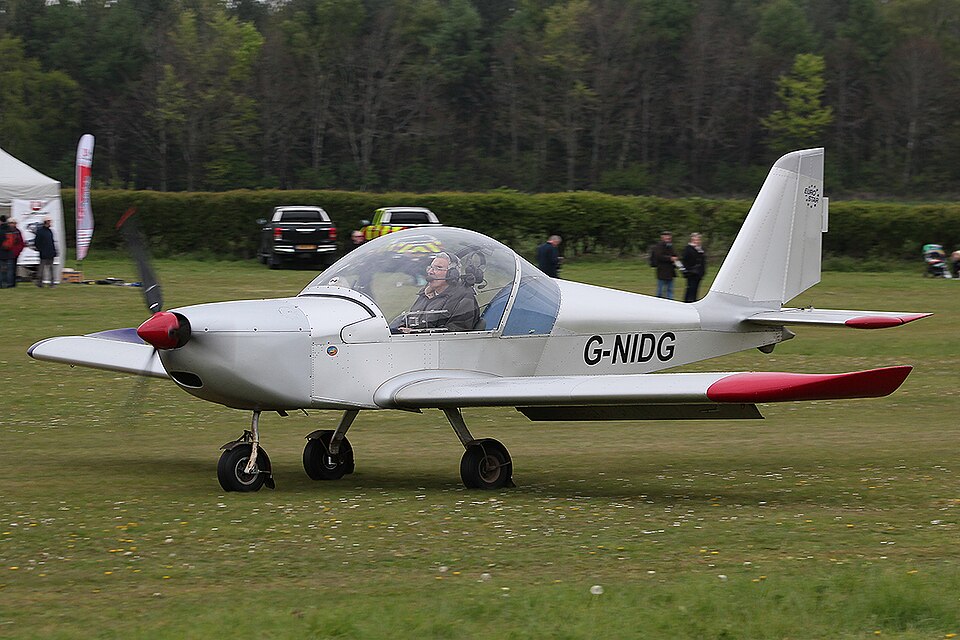
On 7 June 2002 at 0820 UTC, an Aerotechnik EV-97 Eurostar, registration G-NIDG, departed Insch airfield in Scotland on a private flight. The two crew members, both qualified pilots, intended to fly over mountainous terrain on a direct track to Feshiebridge near Aviemore. En route, weather conditions deteriorated, forcing the crew to turn the aircraft into a valley. As no obvious exit below the low cloud was apparent, they attempted a 180° turn but inadvertently entered intermittent instrument meteorological conditions (IMC) and became disoriented.
Pilot Actions
Seeing the ground very close beneath them and 'not knowing what might be ahead', the crew decided to attempt a landing. The aircraft, already at low speed, was stalled from approximately 15 feet above the ground and landed in a level attitude with a high sink rate onto a heather and peat covered surface. The pilots reported that they had been tempted to continue the flight in deteriorating conditions, believing that at a reduced airspeed they could turn with a reduced radius away from problems—a technique they thought applicable from microlight operations. They later admitted that this was inappropriate and that they 'had learned their lesson the hard way'.
Final Approach and Landing
The cockpit area experienced minimal disruption, allowing both occupants to vacate the aircraft and call for assistance using a mobile telephone. One and a half hours later, they were rescued by helicopter and treated in hospital for back injuries. The aircraft, although largely intact, suffered extensive damage to the fuselage, wings, landing gear, and propeller, and was written off.