History of the Flight
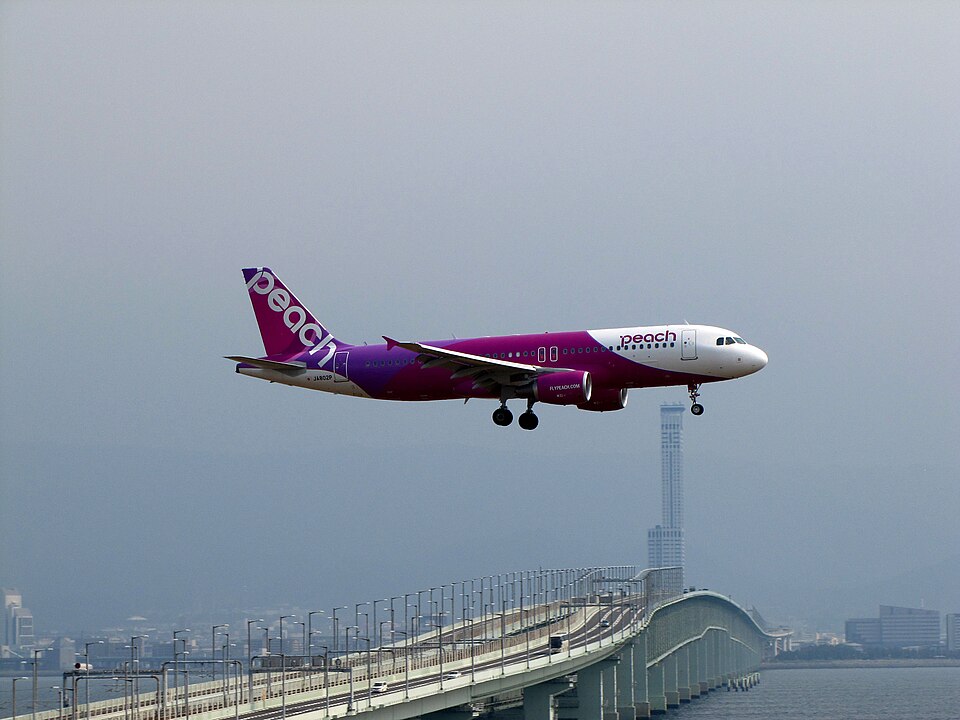
On Monday, April 28, 2014, Peach Aviation Co., Ltd. flight 252, an Airbus A320-214 registered JA802P, departed New-Ishigaki Airport and approached Runway 18 at Naha Airport under precision approach radar (PAR) guidance. At approximately 11:47 Japan Standard Time (JST), when the aircraft was about 4 nm north of the airport and around 300 ft, the captain executed a go-around as an emergency operation to avoid crashing into the water surface because the aircraft was losing altitude. During this maneuver, the Enhanced Ground Proximity Warning System (EGPWS) issued warnings. The aircraft subsequently landed at Naha Airport at 12:10.
Personnel and Aircraft Information
The flight crew consisted of a captain and five other crewmembers, including a first officer. There were 53 passengers on board, totaling 59 persons. No injuries were reported. The aircraft, an Airbus A320-214, sustained no damage.
Meteorological Conditions
The meteorological conditions at Naha Airport around the time of the incident included reported wind, visibility, and cloud conditions as recorded in aviation routine weather reports. The specific data is detailed in the source.
Flight Recorder and Systems
Flight Data Recorder (FDR) and Cockpit Voice Recorder (CVR) data were analyzed. The FDR recorded the aircraft's descent and subsequent go-around. EGPWS warnings were triggered during the descent.
Standard Approach Procedures
The approach to Runway 18 at Naha Airport followed standard procedures, including a PAR approach. The company's manuals specify requirements for stabilized approach, crew duties, monitoring, and standard callouts.
Investigation Findings
The investigation determined that the aircraft began its descent due to the captain's unintentional operation. The descent continued because the captain and first officer were less aware of monitoring altitude, relying on the autopilot system rather than maintaining altitude awareness and not properly prioritizing tasks. Additionally, insufficient risk management at the Naha Ground Controlled Approach Facility, which failed to identify that the aircraft might descend and deviate below the Radar Safety Zone before meeting the glide path, contributed to the continued descent.