Incident Overview
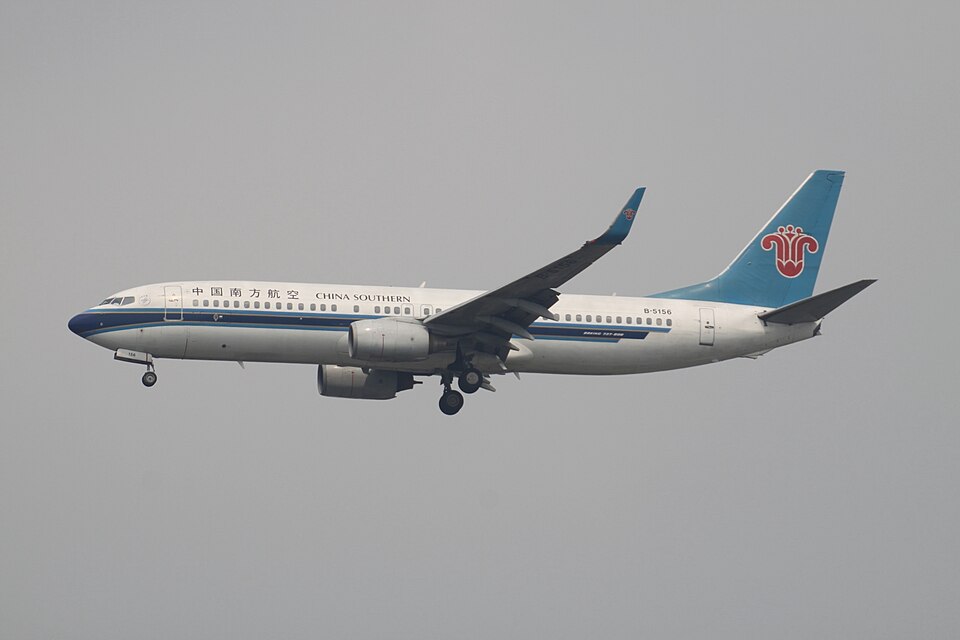
On July 20, 2023, at approximately 05:33 Japan Standard Time, a Boeing 737-800 operated by China Postal Airlines LLC, registration B-5156, attempted to land on Runway 06L at Kansai International Airport. The runway was occupied by a vehicle conducting a runway inspection, leading to a serious incident classified under Japanese regulations as "attempt of landing on a runway being used by other aircraft etc."
Aircraft and Operator
The aircraft, a Boeing 737-800 with registration B-5156, operated by China Postal Airlines LLC, was on a scheduled cargo flight from Shanghai Pudong International Airport. It carried four occupants: the captain and three crewmembers. The flight had departed at 03:53 JST.
Runway Inspection Vehicles
Two inspection vehicles were active at the airport. Vehicle A (call sign "Operation 3") was inspecting Runway A (06R/24L) and its vicinity. Vehicle B (call sign "Operation 4") was inspecting Runway B (06L/24R), the runway designated for the aircraft's landing. Both vehicles communicated with the ground controller on the same frequency.
Sequence of Events
At 05:28, the aircraft requested and received an ILS approach clearance for Runway B. The aircraft established communication with the tower at 05:31. The tower did not issue a landing clearance at that time because Vehicle B was still on the runway. The tower planned to have Vehicle B vacate after completing its inspection.
At 05:33:30, Vehicle A called the ground controller and reported "Vacated Runway A." The ground controller, hearing the word "Operation," mistakenly believed the call was from Vehicle B. The controller read back "Roger, vacated runway" and informed the tower that Runway B was clear. In reality, Vehicle B was still on the runway. The tower then issued a landing clearance to the aircraft, which began its approach.
Aftermath and Findings
The Japan Transport Safety Board (JTSB) investigated the incident. The investigation revealed that the ground controller's misidentification of the inspection vehicle's call sign led to the erroneous report that the runway was clear. The tower, relying on that information, cleared the aircraft to land. The aircraft began its approach but likely executed a go-around or missed approach to avoid the vehicle; further details of the outcome are not specified in the source.
Conclusion
This serious incident highlights a breakdown in communication between air traffic control and ground vehicles. The JTSB report does not assign a probable cause but documents the factual sequence of events.