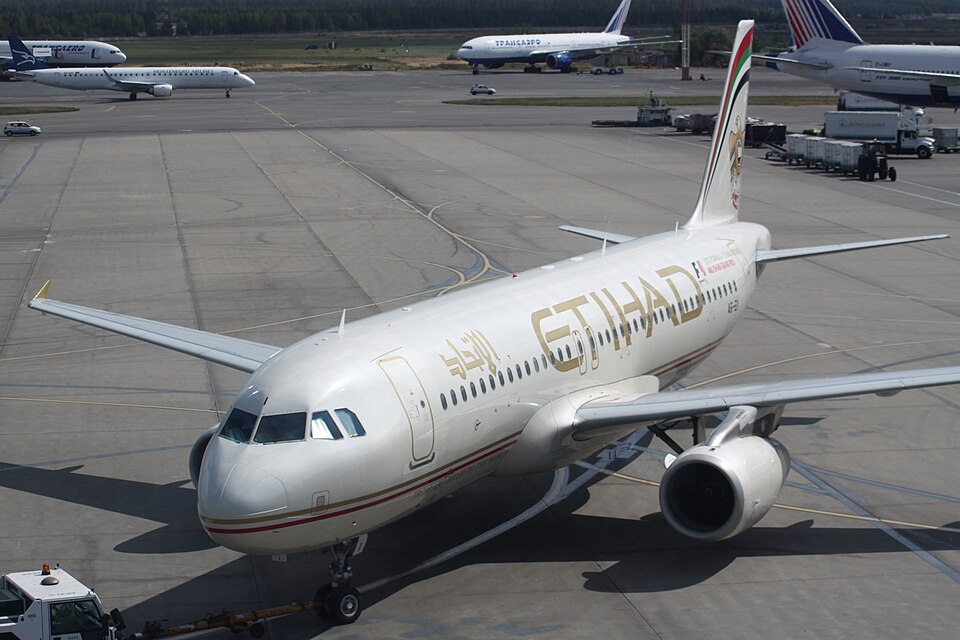
Incident Overview
On 16 November 2012, at approximately 2042 UTC, the co-pilot of an Airbus A320-232, registration A6-EII, operated by Etihad Airways as flight ETD308 from Kuwait International Airport, contacted Abu Dhabi International Airport Approach Controller for approach instructions. The captain was pilot flying, and the co-pilot was pilot monitoring.
Captain's Incapacitation
While the aircraft was at 2,400 feet altitude about 7.1 nautical miles south of the airport, the captain spoke in an unusual tone, then his speech became incoherent. The co-pilot observed the captain slumped in his seat, leaning left, and was unable to rouse him. The co-pilot took over control.
Emergency Declaration and Landing
The co-pilot informed Abu Dhabi Approach of the captain's incapacitation and declared an emergency, requesting to land as soon as possible. He managed the cockpit efficiently and landed the aircraft without further incident. After landing, the aircraft stopped on the runway because the co-pilot was not authorized to taxi per operator policy. The aircraft was towed to the passenger terminal, where the captain disembarked first.
Medical and Investigative Findings
The captain was transported to the hospital for checks and observation. The GCAA preserved the cockpit voice recorder and flight data recorder for analysis. The investigation determined the cause of incapacitation was an embolic event (stroke) resulting in loss of consciousness. Contributory factors included the captain's antiphospholipid syndrome (APS) and lack of medical history disclosure, which precluded preventive treatment, and regulatory limitations at the time that did not enable discovery of such conditions.
Safety Recommendations
The report included six safety recommendations addressed to the operator and the GCAA, aimed at preventing similar occurrences.