Synopsis
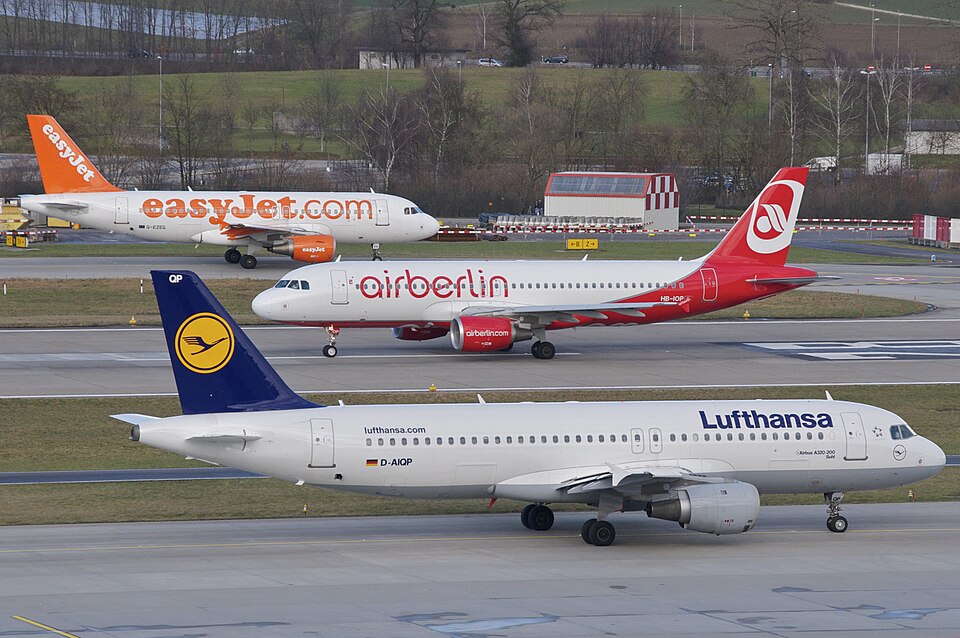
The aircraft, an Airbus A319-111 registered G-EZEG, diverted to East Midlands Airport after reports of fumes or smoke in the cockpit. An engineering investigation could find no evidence of smoke or burning and could not identify the source of the fumes.
History of the Flight
On 30 December 2005, the aircraft was en route from Aldergrove to Gatwick. While descending near Kidlington, Oxfordshire, both crew members independently detected a smell of fumes or smoke in the cockpit. They donned oxygen masks and goggles and established communications. The Senior Cabin Crew Member (SCCM) was called to the interphone and confirmed a similar smell in the forward cabin. The captain decided to land as soon as possible. A Pan call was made to London ATC, the transponder was set to code 7700, and the captain requested a diversion to East Midlands Airport. Although there were no ECAM warnings, the crew began the QRH procedure for smoke/fume removal. The SCCM later reported that the smell in the cabin had dissipated. As no smoke was evident in the aircraft and the destination was near, the captain suspended the QRH drill. The pan call was not cancelled. An uneventful landing at East Midlands occurred at 1427 UTC. Passengers disembarked via main exits, and the flight crew remained on oxygen until the engines were shut down and cockpit windows opened.
Response by Airport Authorities
The Approach Controller at East Midlands was informed at 1412 UTC of the diversion due to smoke in the cockpit. A full emergency was initiated. The captain requested vectors to an 8-mile ILS approach for Runway 27. The aircraft landed safely and taxied to Stand 35. The Fire Officer communicated with the captain by radio before boarding. A stand-down message was sent at 1437 UTC.
Engineering Investigation
The maintenance provider conducted a full investigation. They eliminated the galley and de-icing fluids as possible causes and found no evidence of smoke or burning. No ECAM warnings were recorded. The aircraft subsequently operated regularly with no further reports of smells or smoke.
Comment
The operator had during the previous year emphasized to crews during simulator training the importance of landing at the earliest opportunity following incidents involving smoke or toxic fumes. In this incident, the aircraft landed approximately 15 minutes after the captain made the Pan call.