Incident Overview
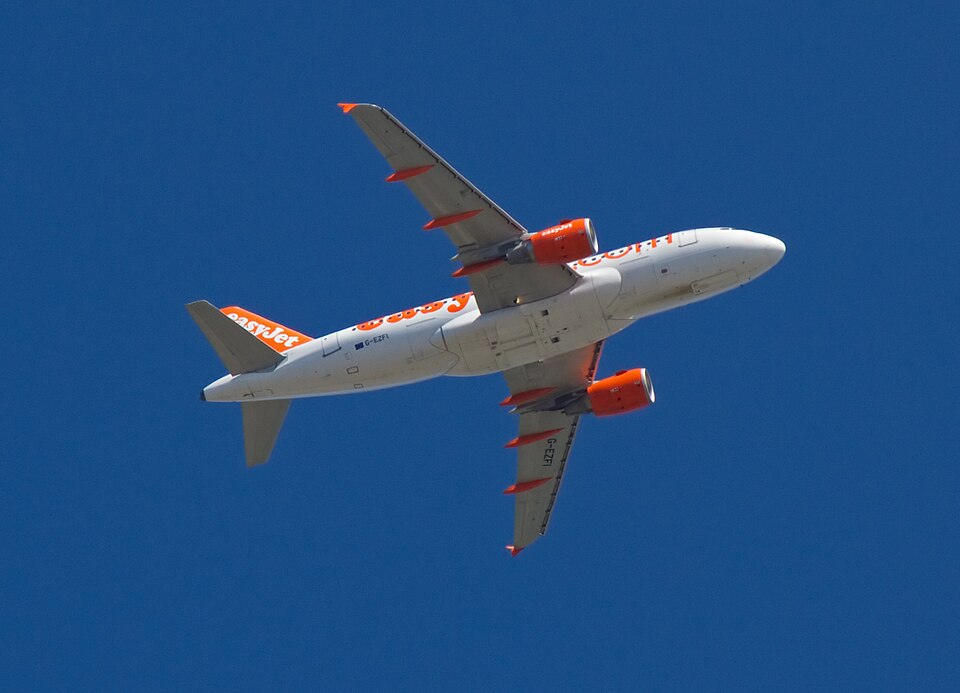
On 6 January 2011 at 1955 UTC, an Airbus A319-111, registration G-EZFI, operated a commercial passenger flight from Liverpool to Belfast Aldergrove Airport. The aircraft had 6 crew and 46 passengers on board. The commander, aged 39, held an Airline Transport Pilot's Licence and had 8,408 total flying hours, including 2,892 on type. The co-pilot was pilot non-flying. The runway and taxiways had been treated with de-icing chemicals (potassium acetate and urea) during the day, but this information was not communicated to inbound aircraft.
Sequence of Events
After a normal landing on Runway 25, the commander used idle reverse thrust as briefed. The aerodrome controller instructed the crew to vacate onto Taxiway D, as the shorter route was blocked. The pilot kept reverse thrust selected while taxiing. As the aircraft turned onto Taxiway D, a smoke-like substance began entering the cabin from overhead vents. Crew and passengers described the smoke as brown or black, with a smell reminiscent of a bonfire or electrical burning. Visibility was affected.
The cabin manager contacted the flight crew via service interphone, reporting smoke. After further thickening, the cabin manager recommended evacuation. The commander stopped the aircraft, set the parking brake, and called for the evacuation checklist. The co-pilot made a mayday call, but inadvertently transmitted over the interphone instead of VHF. The cabin manager issued an evacuation command over the public address system: "Unfasten your seat belts and get out."
Evacuation
The forward cabin crew opened doors 1L and 1R; slides deployed correctly. The rear cabin crew opened doors 2L and 2R; the slide at 2R was not used as the area appeared dark. All 46 passengers and 6 crew evacuated. One passenger sustained minor injuries (bruising, headaches, back pain). The commander shut down the engines upon hearing forward doors open, causing loss of flight deck lighting. The fire pushbuttons were operated and extinguishing agents discharged. Rescue and Fire-fighting Services arrived after evacuation; no heat or fire was found.
Investigation
The AAIB investigated. Recorded flight data showed the commander routinely used idle reverse thrust beyond the landing roll and onto the taxiway down to approximately 15 kt to save brake wear. This practice had not been identified during training or flight data analysis. The airport had applied potassium acetate and urea to Runway 25 and Taxiway D multiple times on 5-6 January. The de-icing chemicals were most probably the source of the smoke, with prolonged reverse thrust likely exacerbating its density. Both the aircraft and airport operators conducted internal investigations and made recommendations.
Conclusion
The incident resulted in no damage to the aircraft and one minor passenger injury. The smoke source was attributed to de-icing chemicals, with reverse thrust use possibly contributing to its density.