Incident Overview
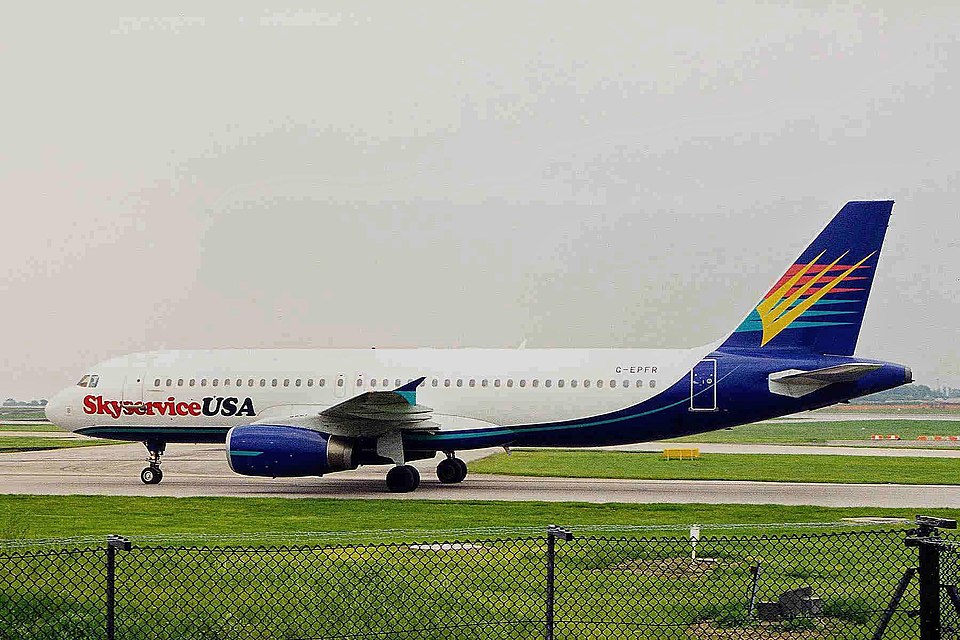
On 2 March 2000, at 0530 UTC, an Airbus A320-231, registration G-EPFR, was involved in a ground incident at Manchester Airport. The aircraft had undergone routine maintenance and was positioned on Stand 67, pointing outward, in preparation for a positioning flight to East Midlands Airport. The flight crew consisted of two pilots; the commander held an Airline Transport Pilot's Licence, was 51 years old, and had 7,890 total flying hours (2,720 on type). There were no passengers on board.
Sequence of Events
After the commander completed his external inspection, he boarded the aircraft and reviewed the technical log with the engineer. During their discussion, the commander asked if the engineer would use a headset or hand signals for engine start. The engineer replied that the aircraft was pointing in the correct direction and clear to go. The commander interpreted this to mean the engineer would clear ground equipment before returning to the hangar. However, the engineer later recalled giving no such assurance, expecting the see-off crew to handle equipment removal.
Following the engineer's departure, the commander closed the front left door and performed a cabin security inspection before returning to the cockpit. Engine starts were performed without a see-off crew. After receiving ATC clearance, the commander began taxiing. Upon moving, he noted a slight bounce, which he attributed to a "sticky brake." The flight to East Midlands was uneventful, but after landing, ATC informed the crew that the aircraft might have struck steps before departure.
Ground Equipment and Damage
Earlier, passenger steps had been positioned at the front left door shortly after the aircraft arrived on Stand 67, placed by a ramp services organization at the request of the handling agents. The handling agents later saw the aircraft's anti-collision lights flashing and assigned a see-off crew, but before the crew arrived, the aircraft departed. The agents then asked the ramp services organization to remove the steps. The individual sent to retrieve the steps found the aircraft gone, coupled his vehicle to the steps, and also collected chocks left on the apron. Upon returning to his bay, he noticed the steps were damaged and reported it to his supervisor. ATC was informed, and the notification reached the aircraft crew.
The aircraft sustained damage to the No. 1 engine intake and leading edge flaps and slats. The commander was certain he had not taxied over the chocks, and evidence suggested no more than idle power was used during taxi.
Contributing Factors
At the time, the aircraft company had a Flight Crew Notice (FCN) outlining procedures for "Remote Stands," which stated a start crew was not required under certain conditions. Following the incident, a new FCN emphasized the need for full ground crew backup for all departures except those from remote stands, stressing that the commander must ensure all ground equipment is clear before brake release. The incident occurred in darkness with heavy rain, and the stand was unlit.
Findings
The incident resulted from a misunderstanding between the commander and the engineer. No attempt was made by the commander to confirm whether a see-off crew was available from the handling agents. As the aircraft commander, he bore ultimate responsibility for ensuring all ground equipment was clear before taxiing.