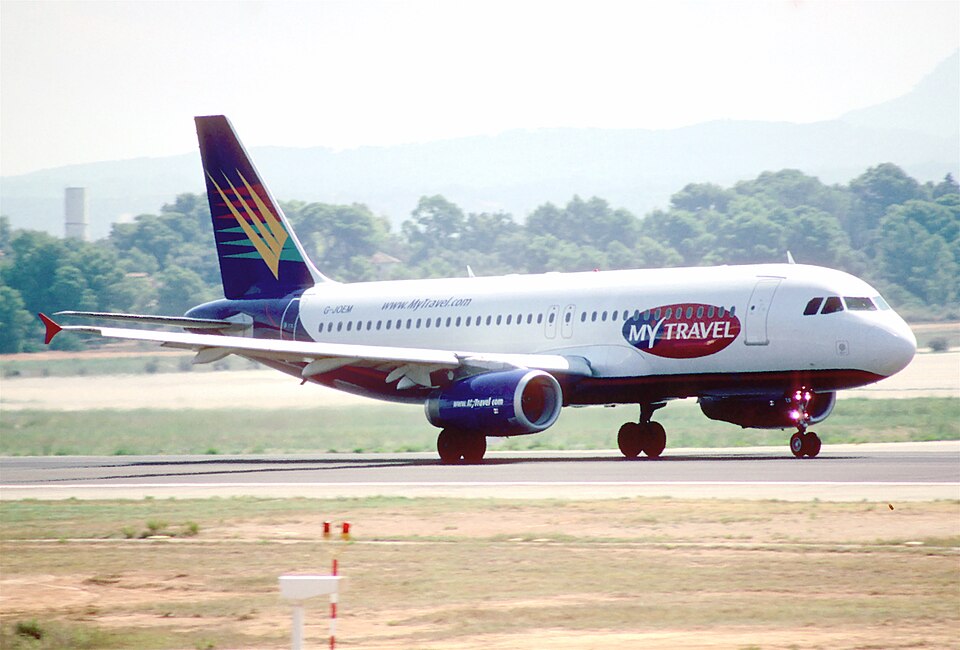
History of the Incident
On 17 March 2004, passengers were boarding an Airbus A320-231 (registration G-JOEM) through the forward left cabin door via an airbridge at Birmingham Airport. When approximately two-thirds of the passengers had embarked, cabin crew noticed the bottom of the outward-opening door was in contact with the airbridge floor. The crew contacted the handling agent, and a ground agent attended.
Ground Agent Actions
The ground agent observed that the airbridge 'autolevel' alarm had activated, indicating an autolevel malfunction or that the 'travel timer' had tripped. She also noted the safety shoe was missing from the airbridge floor beneath the aircraft door. She pressed the flashing autolevel reset button, stopped boarding, and stated the airbridge moved up slightly before she hit the emergency stop button. Passengers were disembarked to reduce pressure on the door, and the airbridge was moved away.
Damage and Examination
The forward left door sustained damage to its hinges and bottom edge. Examination of the autolevel sensor showed its wheel had rotated to the full extent and jammed, suggesting the aircraft had descended relative to the airbridge. After freeing the wheel, the autolevel system tested correctly.
Previous Activity
The airbridge had been deployed when the aircraft arrived earlier. The operator noted the safety shoe was missing but continued disembarkation. The airbridge remained docked for about three hours. The dispatcher for the departing flight also noticed the missing shoe and reported it to Building Maintenance but commenced boarding. He was away from the airbridge for about 20 minutes when the incident occurred. The safety shoe had been removed on 9 March 2004 due to damage, and the airbridge remained in service until the incident eight days later. It was taken out of service pending replacement on 18 March.
Airbridge Operation
The autolevelling system uses a wheel and sensor that rests against the fuselage to follow height changes. An adjustable timer permits continuous vertical travel for a maximum of six seconds, after which power is removed and an alarm sounds. The safety shoe detects insufficient gap and drives the bridge head down if contacted, also sounding an alarm. Manufacturer's instructions require the safety shoe to be in place. Manual operation is possible by retracting the autolevel sensor and using a joystick.
Training and Licensing
Both operators were trained and licensed by the airport authority, with training delegated to the handling agent. Licences were valid for three years. The dispatcher's licence was due to expire in August 2004.
Discussion
The autolevel sensor jammed, indicating a protracted movement. The alarm activated due to a malfunction or six seconds of continuous levelling. The correct procedure after the alarm would have been manual operation. The reason for the airbridge moving up after reset is unclear. The missing safety shoe removed secondary protection. The airport authority subsequently issued an operating instruction that airbridges in autolevel must not be left unattended; if unattended, the door should be closed and the bridge withdrawn. The handling agent reduced refresher training from three years to annually and instructed that a missing safety shoe renders the airbridge unserviceable.