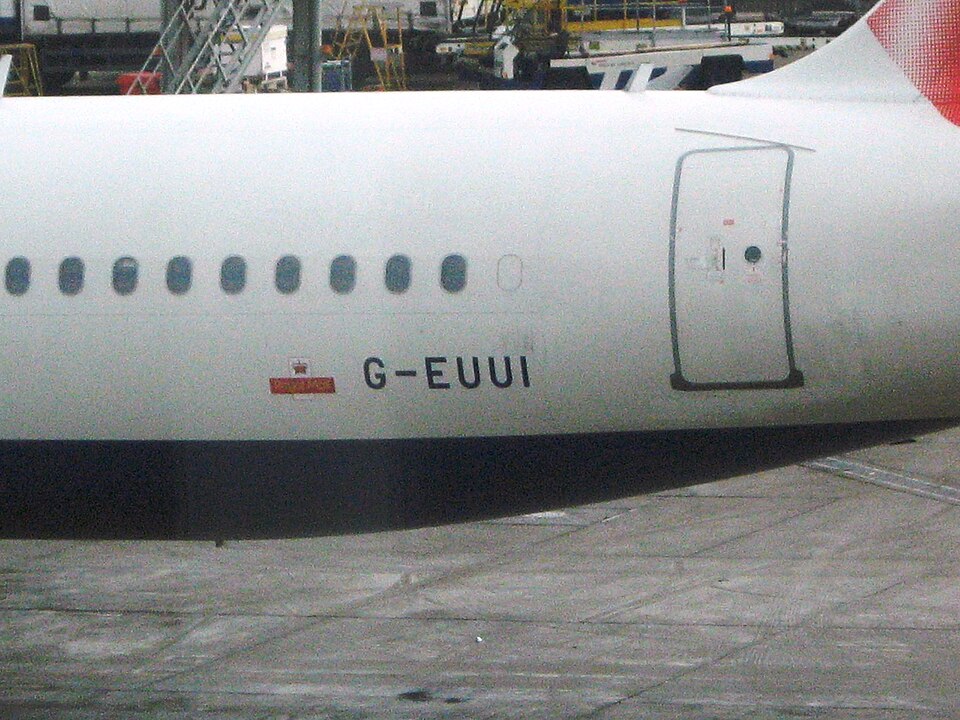
Incident Overview
On 29 November 2003, at 1955 UTC, an Airbus A320-232, registration G-EUUI, operated as a scheduled passenger flight from London Heathrow to Edinburgh, experienced momentary noise and vibration after reaching Flight Level (FL) 280. The crew and passengers heard loud bangs and felt shuddering. An orange flash associated with the right engine was reported. The crew identified that No 2 engine had surged and recovered, with engine indications returning to normal. After a second surge, the crew consulted the Quick Reference Handbook (QRH) but found the guidance inadequate. They initially decided to continue to Edinburgh but, upon advice from their operator, reversed course to return to Heathrow. During the return, further surges occurred, and the crew believed No 1 engine also surged. They declared a MAYDAY and diverted to Birmingham Airport, landing without further incident.
Sequence of Events
As the aircraft reached FL280, two loud bangs and shuddering occurred. The commander likened the noise to a "b-boom," and cabin crew compared the shudder to driving over a "sleeping policeman." The commander noticed right engine gauges rising to match left engine levels. About 40 to 60 seconds later, a repeat of the noise and shuddering occurred, with right engine EPR, N1, and EGT gauges reducing and recovering. The crew agreed the right engine had surged.
The crew selected the Electronic Centralised Aircraft Monitor (ECAM) page; the only significant difference was right engine EGT 35-40°C hotter than left. An Engine Divergence Report printed. The crew referred to the QRH "ENG 1(2) STALL" procedure but took no action as no ECAM stall message appeared (the aircraft had IAE engines). The commander had previous experience with a surge on another aircraft type where no action was needed.
The Cabin Services Director reported the cabin disturbance. The commander explained the engine surge had cleared and intended to continue. He instructed the CSD to discreetly inquire in the cabin. A passenger reported seeing an orange flash near the right engine. The commander contacted company engineers at Heathrow and was advised to return to Heathrow for better engineering cover.
After turning back, another right engine surge occurred. Five to ten minutes later, north of Birmingham, a series of surges on the right engine occurred, and an IGNITION message appeared on ECAM. The crew selected manual ignition and engine anti-ice for both engines to increase surge margin. During a brief break in surges, another series occurred, and the crew believed they saw indications of surge on the left engine. Both pilots agreed both engines were surging. They decided to divert to Birmingham, made a MAYDAY call, and briefed cabin crew for an emergency landing as a precaution. During descent, they selected both engine anti-ice on. At FL150, they disengaged autothrust, advanced thrust levers to 50-60% N1 to check response, and all indications were normal. The remainder of the approach and landing were uneventful. The aircraft landed on Runway 15 at Birmingham, accompanied by the Airport Fire Service, and passengers disembarked.
Investigation Findings
The investigation determined that a progressive fault in the No 2 engine P2T2 probe had signalled inaccurate values to the No 2 engine computer, resulting in incorrect scheduling of the compressor inlet guide vanes, which was the direct cause of the engine surges. The QRH and training provided inadequate guidance for the crew to fully assess the situation. The manufacturer's QRH checklist omitted guidance material present in the full procedure, including descriptions of surge symptoms and advice on anti-ice use and thrust reduction. The operator drafted a revised procedure but had not yet issued it at the time of the report. Crew training on engine stalls was limited before the incident.