History of the Flight
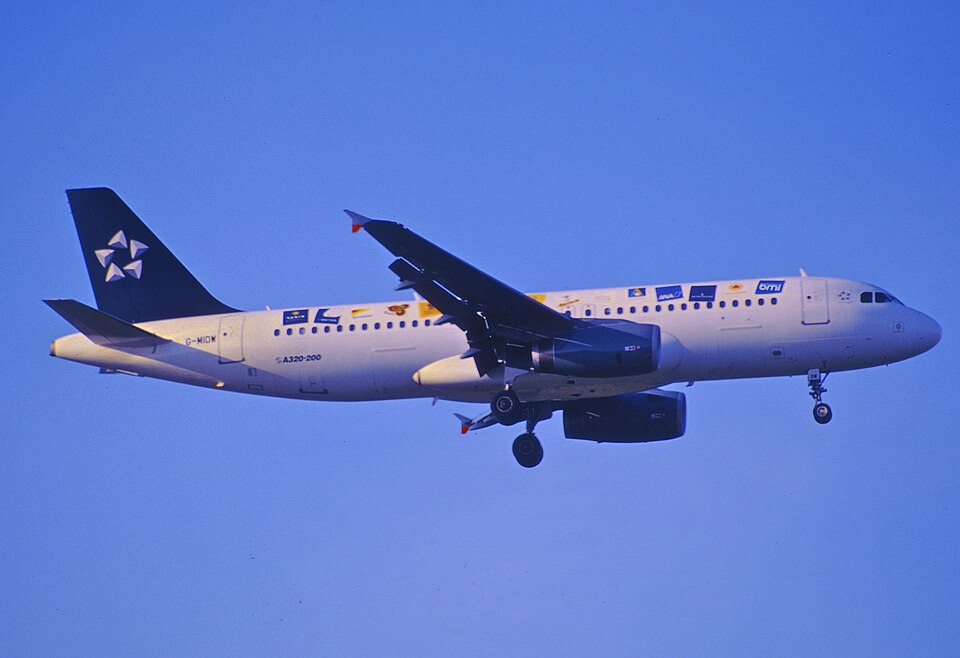
The aircraft was on a commercial flight from Kos to Glasgow, cruising at Flight Level 380. Two hours and six minutes after takeoff, the CAB PR excess cab alt caption illuminated on the ECAM, followed by the Master Warning. The crew did not experience physiological symptoms associated with pressurisation faults but donned oxygen masks and established communications as per FCOM procedures. The System Display Pressurisation page indicated System 1 in operation with a cabin altitude of 7,800 feet, differential pressure 8.0 psi, and zero vertical speed. Believing the warning spurious, they decided not to initiate emergency descent. The cabin crew were alerted to prepare for possible decompression.
Approximately two minutes later, the commander selected pressurisation System 2, per FCOM advice. While on System 2 for 5–15 seconds, the ECAM showed cabin altitude 10,400 feet, but the commander had difficulty viewing through the oxygen mask visor. He returned to System 1, suspecting a fault in System 2. About 18 minutes after the initial warning, cabin crew reported passenger oxygen masks had deployed, seat belt signs illuminated, and cabin lights brightened. The co-pilot felt ear pressure change. The crew declared a mayday and executed an emergency descent to FL100. During descent, a CAB PR sys 1 fault caption appeared, and the crew selected System 2 again. The flight continued to Glasgow at FL100 without further incident, landing 50 minutes later.
Recorded Information
The Digital AIDS Recorder (DAR) data showed the excessive cabin altitude warning occurred at 0308 UTC, followed by a master warning one second later. The cabin altitude sys 1 parameter recorded 7,800 feet. The SD page changed from cruise to press shortly after. At 0326, a step change in cabin altitude from 7,800 to 14,400 feet was recorded, and six seconds later the emergency descent began.
Description of the Cabin Pressurisation System
The A320 has two identical, independent automatic pressurisation systems. Only one system controls at a time; the other is in hot standby. Systems alternate between flights or automatically switch on failure. Pilots can manually select the other system. Each system's main component is a Cabin Pressure Controller (CPC) containing a pressure sensor. Each system generates its own cabin pressure, vertical speed, differential pressure, and excess cabin altitude warning. The excess cabin altitude warning triggers at 9,550 feet in cruise. Passenger oxygen masks automatically deploy via a pressure switch set between 13,500 and 14,000 feet, independent of CPC indications. At that altitude, cabin lights full bright and seat belt signs illuminate.
Maintenance Actions Post-Incident
Both System 1 and System 2 CPCs, and the single discharge valve, were replaced and sent to the manufacturer for investigation.
Manufacturer's Investigation
Airbus examined the removed items and confirmed an unspecified fault within the System 1 CPC. They noted the failure scenario was rare (only one case reported) and that information provided to the crew was confusing. The Product Safety Committee planned further review of the architecture to improve crew information.