Incident Overview
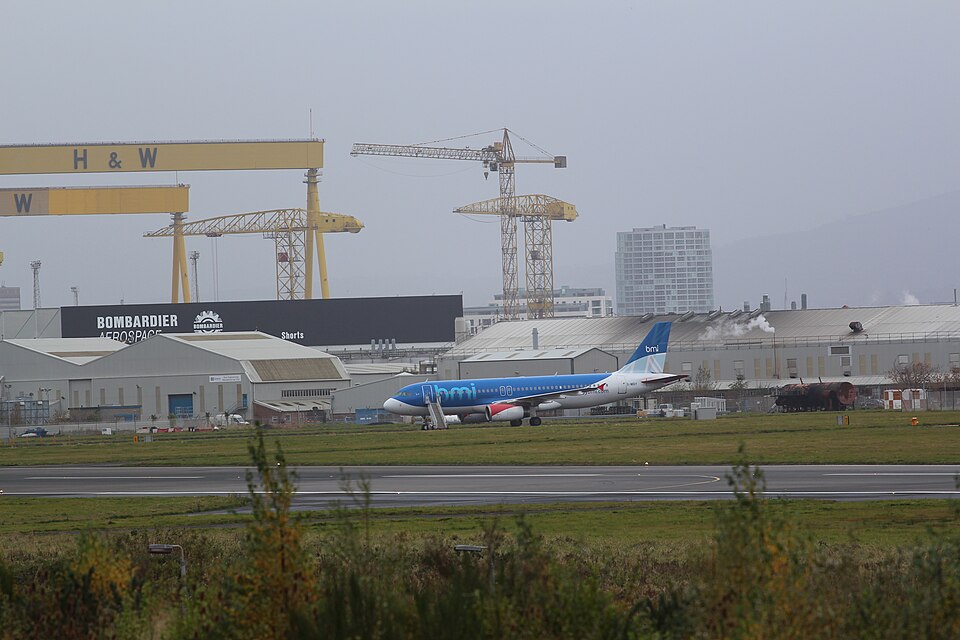
On 14 November 2001 at 1255 UTC, an Airbus A320-232, registration G-MIDY, was involved in a refueling incident at London Heathrow Airport. The aircraft, powered by two IAE V2527-A5 turbofan engines and manufactured in 1999, was operating a public transport flight with 6 crew and 65 passengers aboard. No crew injuries were reported; passenger injuries were not recorded.
After refueling the aircraft using a hydrant refueling vehicle, the refueler drove the vehicle away without disconnecting the nozzle from the aircraft. He was unaware of the incident until he arrived back at the refueling organization's parking area, approximately one mile from the location of the incident.
Damage and Repairs
The aircraft sustained a broken refueling adapter ring. No fuel was released. The damage rendered the aircraft unserviceable. It was repaired and returned to service the following day.
Investigation Findings
The refueling organization conducted an immediate investigation. It was established that the refueler had not complied with the vehicle's checklist or the organization's Operations Manual, as he did not ensure that all hoses were secure on the refueling vehicle before driving away.
The refueling vehicle was equipped with an interlock system designed to prevent the vehicle's engine from starting until all nozzles were correctly stowed. However, the interlock for the aircraft refueling nozzle was unserviceable due to a bent actuating rod, which caused the system to sense that the nozzle was correctly stowed at all times. At the time of the last weekly check of the refueling vehicle, the interlock system had reportedly been found serviceable.
The refueler stated that he had been interrupted during his normal routine by a last-minute paperwork problem. This distraction led him to believe that he had disconnected the refueling hoses, but he had not done so.