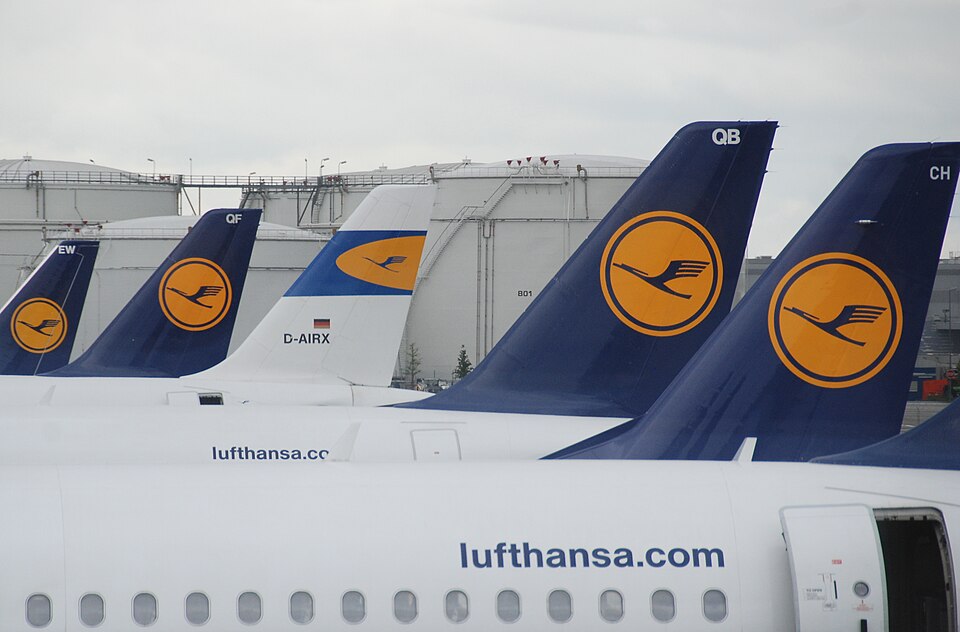
History of the Flight
On 21 October 2012 at 0710 UTC, an Airbus A321-131 (registration D-AIRX) was on approach to London Heathrow Airport when a strong smell became apparent on the flight deck. The co-pilot noticed the odor after passing Flight Level 120 and experienced eye and throat irritation. The commander contacted the purser via interphone, who confirmed a similar odor in the cabin and reported the same symptoms. The co-pilot began to feel dizzy and nauseous. Both pilots donned oxygen masks and requested priority landing clearance. The aircraft landed uneventfully within 10 to 15 minutes of the onset of the smell. After landing, the aircraft was halted on a parallel taxiway, and both engines and the air conditioning system were shut down. The commander informed the crew, passengers, ground control, and the fire service. The aircraft was towed to its parking location. After engine shutdown, the cabin situation improved, although a few passengers reported mild throat irritation.
Medical Examination
The co-pilot continued to feel nauseous and dizzy, and other crew members still had eye and throat irritation. All six crew members were sent to a local hospital for examination. They were released after several hours once their condition improved and results of blood tests (analyzed by an electronic analyzer) showed no medical findings. The crew then returned to their base in Frankfurt and immediately went to a hospital for further examination. Those test results also revealed nothing abnormal.
Investigation
At Heathrow, the engines underwent a comprehensive inspection for oil traces and residues. The most recent oil uplift for both engines was on 12 October 2012, nine days before the incident. The only finding was some droplets of "dirty rainwater" within the high pressure compressor and the reverser cowl. Laboratory analysis indicated the presence of salts that could have come from de-icing fluids, but the aircraft had not been de-iced since 14 April 2012. Sulphur was also found, but its origin was not determined.
Inside the aircraft, flight deck and cabin lights were checked for function and traces of odor, with no findings. Circulation fans were inspected, and recirculation and avionic filters were examined and replaced. The recirculation filter was later analyzed using gas chromatography; some engine oil traces were found, but these were similar in quantity to traces found in a filter from another aircraft in the fleet that had no history of unusual odors or crew incapacitation. Checks of galley and toilet areas also produced no findings.
During a subsequent ferry flight from Heathrow to Frankfurt, several configurations of the environmental control system were tested under different engine power settings. Cabin air quality was monitored, and the results showed no evidence of engine oil or any other abnormalities. The auxiliary power unit was off at the time of the incident and did not form part of the investigation.
After arriving in Frankfurt, the engines were inspected again, including checks of the low-pressure shafts for oil residue or carbon build-up, and borescope inspections of the sump and fan module areas, all with negative results. The high pressure compressors of both engines were also inspected with a borescope; "old birdstrike debris" was found in stages 3 and 4 on the No 2 engine, but this was not thought to be linked to the odor.
Discussion
The investigation was inconclusive: a source of the apparent contamination of the cabin and flight deck air was not found, despite detailed analysis of residues and medical examinations of the affected crew members. This event is one of a growing number of cases in which there has been a similar lack of conclusive evidence regarding the cause(s) of aircraft cabin air quality issues. Over the years, numerous reviews, studies, and research projects on air quality events have been conducted. There is general acceptance that cabin air can be contaminated by compounds released in pyrolysed oil from engines and auxiliary power units. For example, some events on early models of Rolls-Royce RB211-535C-powered Boeing 757 aircraft were attributed to overfilling with engine oil. Modern lubricants contain synthetic additives, including organophosphates, which can have adverse effects on the nervous system. Additional contamination can result from substances such as hydraulic oil, de-icing fluids, smog, and industrial pollution being ingested by the engines before being distributed by the air conditioning system.
In the United Kingdom, a Civil Aviation Authority analysis of Mandatory Occurrence Reports indicated that fume events occur on approximately 0.05% of all commercial passenger and cargo flights. In most cases, effects on aircrew take the form of acute symptoms, such as eye and throat irritation, as experienced by the crew of D-AIRX, although long-term health issues have been recorded. However, inconsistent reporting is thought to have affected the quality of the evidence. In tests where measurements of contaminants have been taken, the concentration is invariably well below internationally agreed levels for occupational exposure.