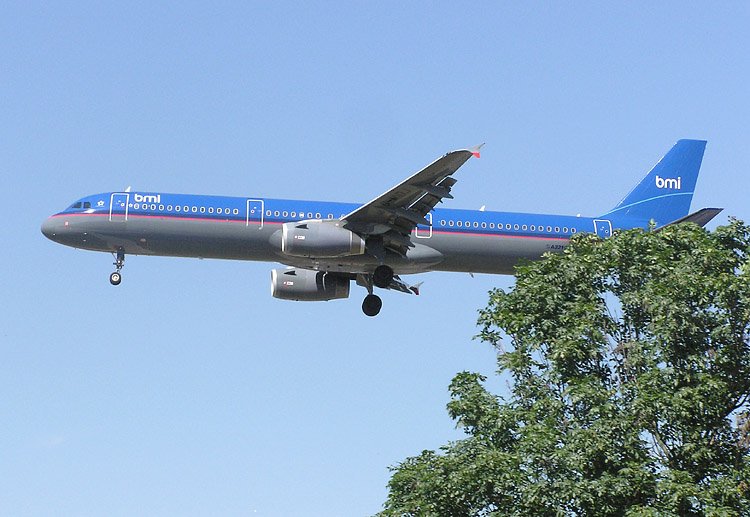
Incident Overview
On 26 May 2003, an Airbus A321-231, registration G-MIDJ, encountered severe turbulence and hail while in cruise at Flight Level 340 approximately 70 nautical miles southeast of Vienna. The aircraft sustained significant damage, including to the radome, flight deck windows, stabilizer leading edges, and engine nacelles. Despite the damage, no injuries occurred among the 8 crew and 213 passengers.
Flight History
The aircraft operated a return flight from Manchester to Larnaca, Cyprus. The outbound leg was uneventful, with only Cumulo-nimbus activity noted over the Italian Alps and Turkey. During the return flight, the crew monitored isolated Cumulo-nimbus clouds to the east of their track. Approximately two hours into the flight, the weather radar was switched off as no significant returns were observed ahead. The aircraft had been flying in clear skies above towering cumulus clouds.
Encounter and Crew Actions
As the flight progressed, the aircraft entered high cirrus cloud, prompting the crew to switch on the seat belt signs as a precaution. Shortly after, the aircraft experienced light turbulence, which rapidly intensified to severe. The autopilot disconnected, and the aircraft climbed rapidly above its assigned level. Intense hail impacted the aircraft, causing the master warning light to illuminate. The First Officer, as Pilot Flying, manually controlled the aircraft, selected engine ignition on, and set speed for turbulence. The Commander monitored instruments and traffic alerts. The aircraft deviated between 1,300 feet above and 300 feet below FL340, with roll angles not exceeding 18 degrees and vertical speeds exceeding 5,900 feet per minute on one occasion.
After clearing the storm, the crew observed that the left front windscreen and the right Direct Vision window had sustained severe hail damage. The Commander noted the outer layers were damaged but the inner layer remained intact. The Electronic Central Aircraft Monitoring system indicated only a downgrade of ILS status. Following the Quick Reference Handbook procedure for a cracked windshield, the crew descended to FL230 at 1,500 feet per minute with manual pressurization control. The Cabin Service Director confirmed all occupants were secure and no injuries occurred.
Aftermath
The crew assessed the aircraft's condition, noting that engine vibration levels were unaffected and sufficient fuel remained to complete the flight to Manchester. They maintained FL230 and coordinated with air traffic control. The aircraft landed safely at Manchester. The investigation by the AAIB noted that the crew had no warning of the severe turbulence, as the weather radar had shown benign returns earlier and was switched off prior to the encounter.