Incident Summary
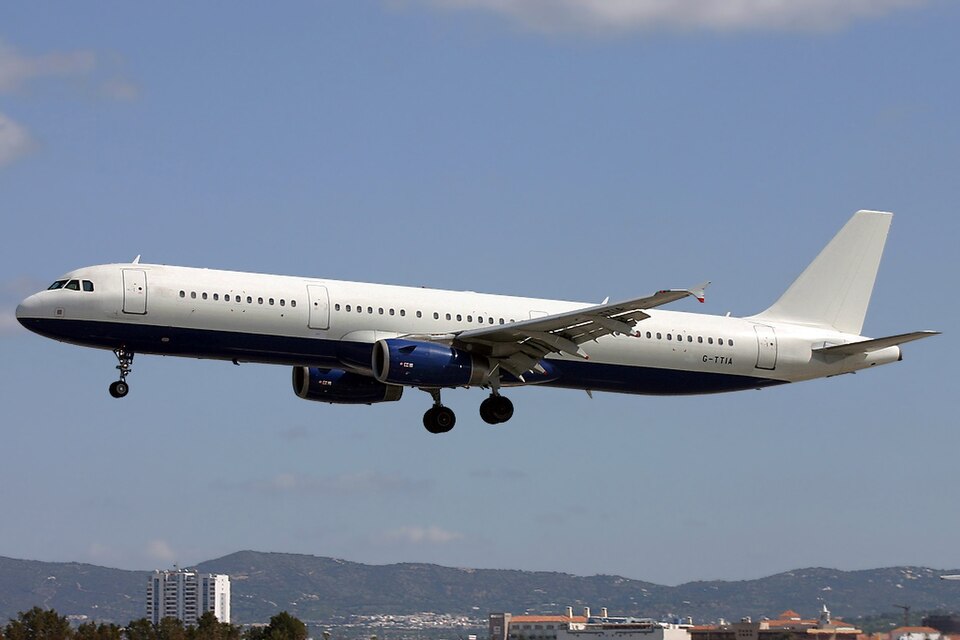
On 7 November 2002 at 1048 UTC, an Airbus A321-231 (registration G-TTIA) was in cruise at FL350 in visual meteorological conditions, crossing the Pyrenees mountain range en route to Almeria. The aircraft encountered turbulence, initially light, prompting the crew to switch on the seat belt sign as a precaution. Shortly thereafter, the turbulence became severe, causing the autopilot to disconnect. The aircraft became extremely unstable, with pitch and roll oscillations, making speed control difficult and instruments unreadable. The commander manually flew the aircraft, holding a constant pitch attitude, while the first officer re-engaged the autopilot. The crew initiated a descent to FL310. The recommended turbulence penetration speed of 0.76 Mach had been selected prior to the encounter, and autothrust remained engaged throughout the incident.
Aircraft and Crew Details
The Airbus A321-231 was manufactured in 2001 and powered by two International Aero V2533-A5 turbofan engines. The commander, aged 41, held an Airline Transport Pilots Licence with 8,800 total flying hours, including 300 hours on type. The flight carried 9 crew members and 167 passengers.
Meteorological Conditions
The location of severe turbulence was directly between two north-westerly jetstreams with maximum wind speeds exceeding 100 knots. A forecast area of moderate and occasionally severe clear air turbulence (CAT) existed at the aircraft's altitude but was associated with the easterly jetstream, not where the encounter occurred. The strong north-westerly flow extended to relatively low levels, which likely caused mountain wave activity south of the Pyrenees. No lenticular or rotor cloud formations were observed.
Injuries and Response
Fifteen passengers sustained minor injuries and received medical attention upon arrival at the destination. Most of the injured passengers had not been in their seats with seat belts fastened when the severe turbulence struck. Many were queuing for the lavatory when the seat belt sign illuminated, and despite requests from cabin crew, were slow to return to their seats. Approximately 30 seconds elapsed between the seat belt sign being turned on and the severe turbulence encounter.
Probable Cause
The most probable cause of the incident was mountain wave activity south of the Pyrenees, likely caused by strong north-westerly flow down to relatively low levels.