Overview
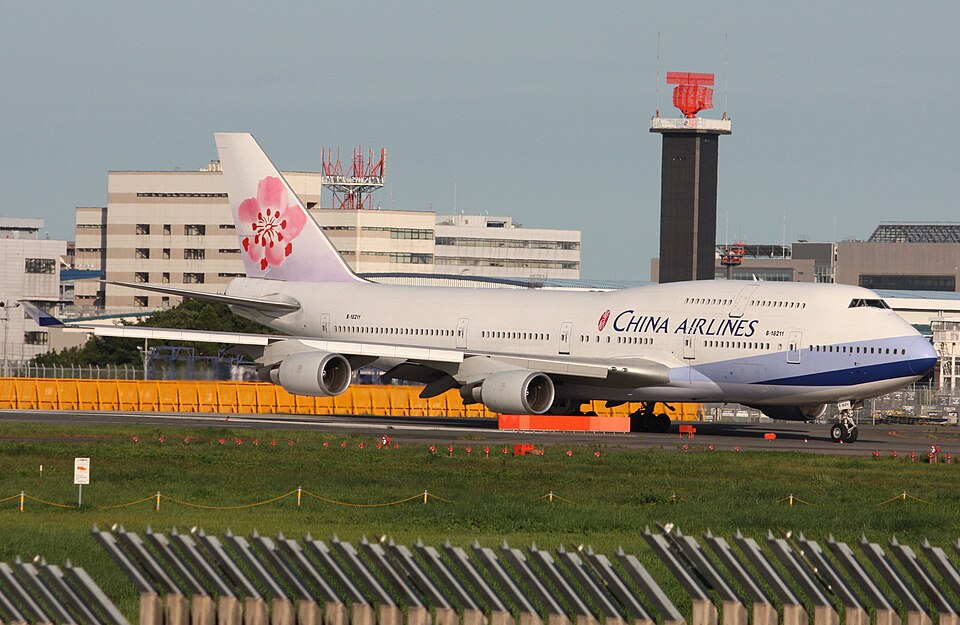
On 20 September 2008, China Airlines (CAL) scheduled passenger flight CI687, a Boeing 747-400 aircraft with registration B-18211, departed Taoyuan International Airport at 0934 Taipei time, destined for Ngurah Rai International Airport in Bali, Indonesia. The aircraft carried 2 pilots, 17 cabin crew members, and 339 passengers.
Turbulence Encounter and Injuries
At 1127 Taipei time, while on the M754 airway near the waypoint LULBU (approximately 330 nautical miles southwest of Manila), the aircraft encountered severe unstable air currents. The turbulence resulted in serious injuries to the purser and two passengers, and minor injuries to three cabin crew members and 19 other passengers. The flight landed safely at Bali at 1403, where the injured were taken for medical treatment.
Findings Related to Possible Causes
The investigation identified two primary factors associated with the accident:
1. Weather Radar Misuse: The flight crew switched the weather radar from manual mode to automatic mode, which caused the loss of previously memorized weather information on the display. Due to poor visibility, the crew could not see external conditions clearly. The radar display showed only green returns, indicating weak radar reflectivity. The crew did not correctly use the radar according to its operational characteristics, leading them to divert west into a thunderstorm area generated by a low-pressure system over the South China Sea, where they encountered severe turbulence.
2. Unfastened Seatbelts: The injured passengers and cabin crew were not wearing their seatbelts securely at the time of the turbulence encounter, which caused their injuries.
Other Safety-Related Findings
The report also noted several risk factors and organizational issues:
- Passengers may have unfastened seatbelts despite crew instructions, incomplete cabin safety checks, or re-fastening after checks.
- Cabin crew injuries likely resulted from not following seatbelt procedures, such as standing while not secured.
- Inconsistencies existed in the company’s cabin crew manual regarding turbulence definitions and procedures for anticipated turbulence.
- Communication between the cockpit and cabin regarding turbulence warnings was not standardized, and handbooks lacked clear terminology for crew response.
- The purser’s actions (taking cover in the galley, communicating with the cockpit, and preparing for meal service before turbulence) may have influenced nearby crew to leave their seats, increasing risk.
- After the turbulence, when multiple injuries and crew incapacitation occurred, role delegation and reorganization for effective response were not clearly assigned.
- The flight crew held valid licenses and showed no evidence of fatigue, medication, or alcohol impairment within 72 hours prior.
- The company’s hazardous weather reporting procedures did not fully comply with ICAO Document 4444; the flight did not report the severe turbulence to air traffic control.
- The accident highlighted that cabin crew and passengers often underestimate turbulence risk due to frequent false alarms, leading to complacency.
Probable Cause
The flight crew did not correctly use the weather radar according to its characteristics after switching it from manual to auto mode, causing them to divert west into a thunderstorm area and encounter severe turbulence. Additionally, injured passengers and cabin crew were not wearing their seatbelts properly during the turbulence.