History of the Flight
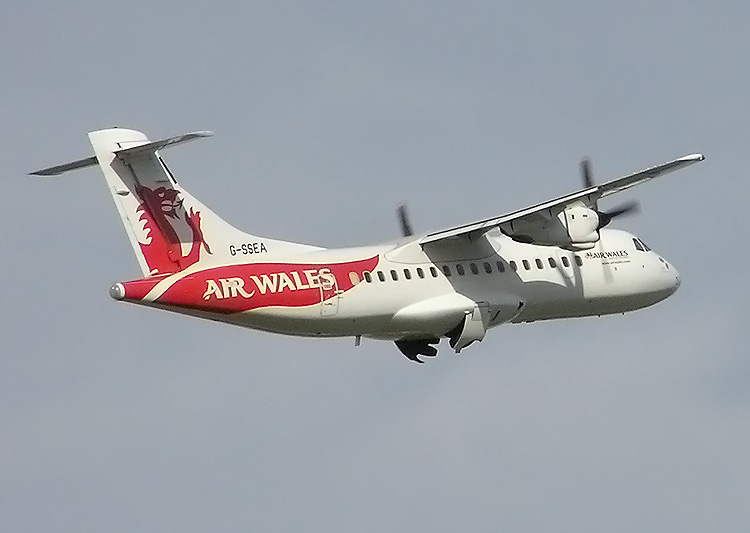
The aircraft, an ATR42-300 registered G-SSEA, was operating a public transport flight from Cardiff to Dublin with three crew and 13 passengers. As permitted by regulations, only a single cabin crewmember was on board. Turbulence had been forecast en route but a preceding aircraft reported none.
While in cloud about 50 nm from Dublin, the aircraft encountered light turbulence. The commander switched on the seat belt signs. The cabin crewmember secured the cabin and informed the commander by interphone. Due to the light nature, she remained standing in the galley. Seconds later, the aircraft encountered severe turbulence lasting 10 to 20 seconds. The crewmember was thrown across the galley, hitting the cabin ceiling and a bulkhead before falling to the floor.
After the turbulence subsided, the crewmember recovered briefly, then managed to reach her seat and fasten her harness, though moving and breathing were difficult and painful. A passenger asked if she was all right, but she was too shocked and winded to reply. She later informed the commander via interphone. She made a pre-landing announcement to ensure the cabin remained secure but could not leave her seat.
The commander requested an ambulance to meet the aircraft. On arrival at Dublin Airport, passengers remained seated while the first officer opened the cabin door and assisted the injured crewmember. She was taken to hospital where examination revealed skeletal muscular injuries.
Injuries
The sole cabin crewmember sustained serious injuries. No passengers or other crew were injured. The aircraft suffered no damage.
Operational Context
The company's Operations Manual instructed cabin crew to take their seats as soon as reasonably practicable after securing the cabin during turbulence. The analysis noted that while it was understandable the crewmember remained standing during light turbulence, the rapid onset and severity of some encounters pose a danger to unsecured individuals. The risk is compounded when only one cabin crewmember is on board, as incapacitation could have serious consequences in an emergency.
The AAIB recorded the following numbers of cabin crew injured in turbulence encounters since 1 January 2000: 2000: 2; 2001: 1; 2002: 2; 2003: 8. The report highlighted the importance of operators continuing to highlight such risks through training to reduce injuries.