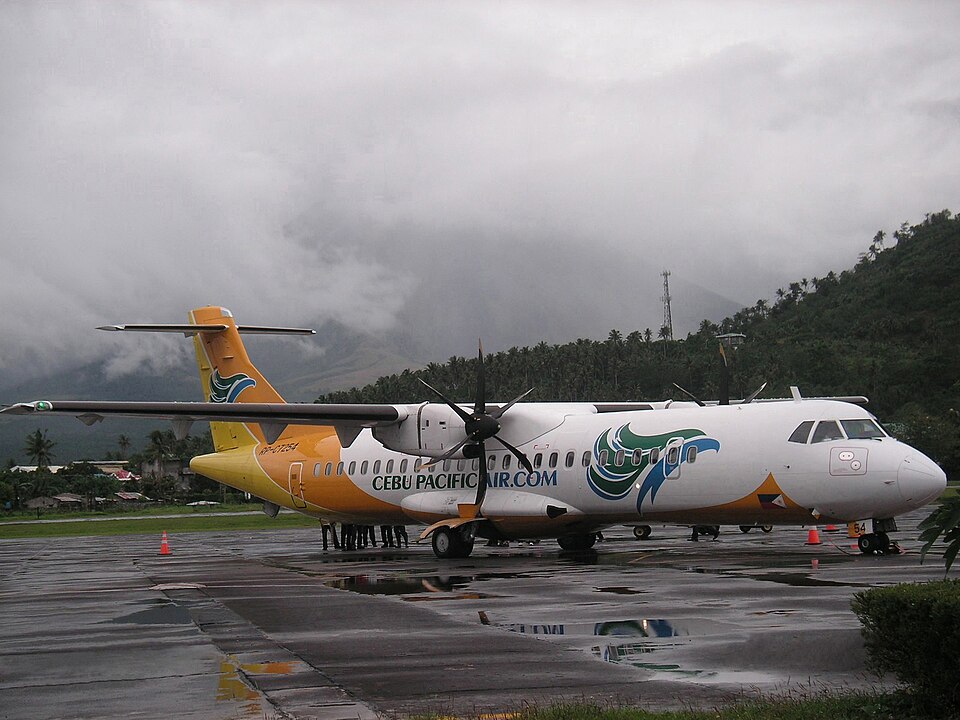
Incident Summary
On a scheduled flight from Tuguegarao Airport to Manila-Ninoy Aquino International Airport, Cebu Pacific Air flight 5J509, an ATR 72-500, encountered adverse weather conditions during the approach phase. The first officer was designated as the pilot flying, while the captain served as the pilot not flying. The approach was initially stable at seven miles from the runway.
Approach and Landing
The crew was conducting a radar-vectored VOR/DME approach to runway 24. At 500 feet radio altitude, a sudden tailwind caused an increase in airspeed and vertical speed. The captain assumed control of the aircraft and continued the approach. Subsequently, visibility dropped to zero, and the aircraft experienced a bounced landing on three occasions. A go-around was then initiated.
Post-Go-Around and Landing
During the climb out, the crew observed that several cockpit instruments were affected, including both transponders and the landing gear system. The flight crew requested a priority landing and was vectored to runway 13. After landing, the aircraft taxied to bay F4, where normal deplaning occurred. No injuries were reported among passengers or crew.
Probable Cause
According to the investigation, the primary cause factor was the flight crew's failure to discontinue the approach when deteriorating weather and associated hazards had moved into the airport area (human factor). A contributory factor was adverse weather affecting the captain's judgment and decision-making prior to and during the approach (environmental factor). An underlying factor noted that as a result of the bounced landing, cockpit instruments were affected, one nosewheel detached, the landing gears could not be retracted, and the structural integrity may have been compromised, risking airframe failure. The captain opted for a priority landing when an emergency landing was warranted.