Incident Overview
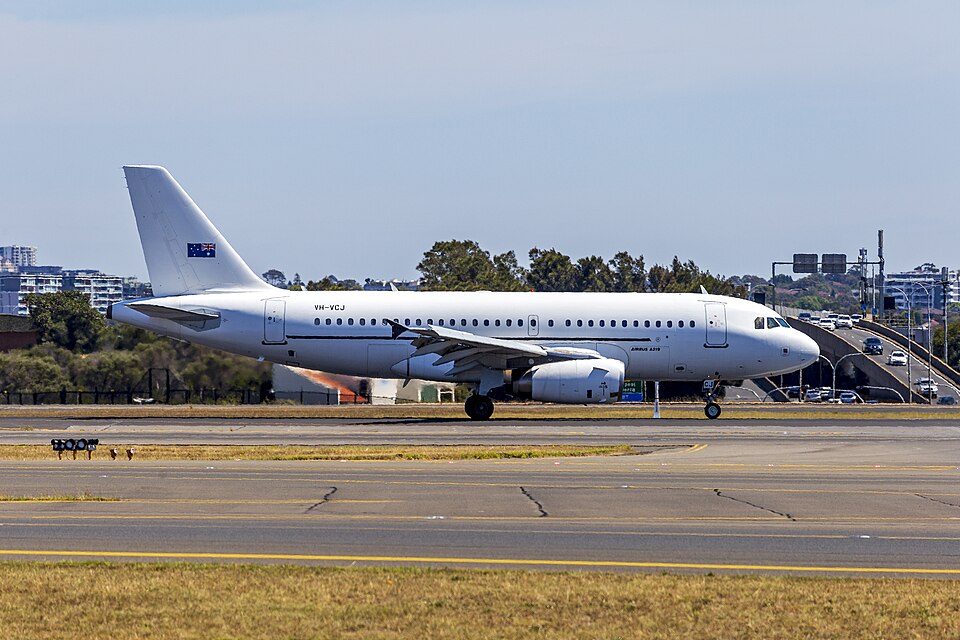
On 15 May 2015, a Skytraders Airbus A319 was conducting an arrival procedure prior to commencing an approach into Melbourne, Victoria. During the procedure, the aircraft descended to approximately 2,200 ft, which was below the air traffic control (ATC)-assigned altitude of 3,000 ft. The crew subsequently broke off the arrival procedure and climbed to the new ATC-cleared altitude of 5,000 ft before returning to land at Melbourne.
Warning Systems Activation
During the descent below 3,000 ft, the aircraft's Terrain Avoidance and Warning System (TAWS) initiated a number of warning alerts. Additionally, the speed limit for the aircraft flaps was exceeded, and the Minimum Safe Altitude Warning System (MSAW) generated an alert to the ATC controller.
Key Sequence of Events
Critically, during a 26-second period starting from when the pilot flying (PF) pressed the instinctive disconnect pushbutton on the thrust levers to when the aircraft reached its minimum altitude, the aircraft descended just over 1,000 ft and increased speed by approximately 100 kt.
Causal Factors
The event was initiated by an inadvertent switch selection by the PF. This was followed by a combination of errors, rapidly changing events, high workload, and an apparent response to a pitch-up illusion. These factors resulted in the aircraft quickly developing a very high rate of descent and increasing airspeed.