Incident Overview
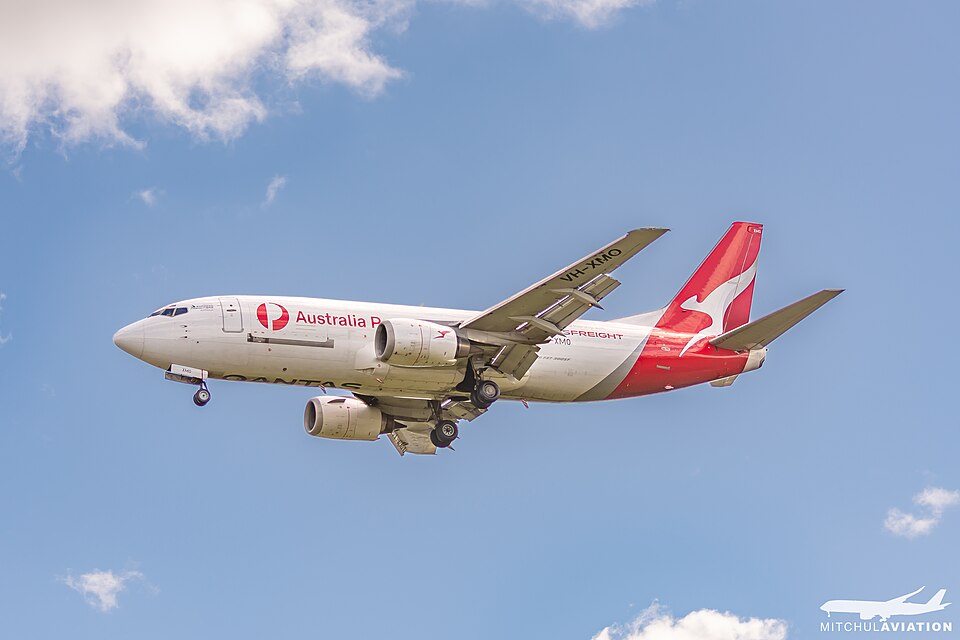
An aircraft operated a missed approach at Launceston Airport due to poor weather conditions. During the subsequent maneuvering, the flight crew flew below the minimum sector altitude (MSA) for the area, leading to a safety alert from air traffic control (ATC). The aircraft was never in immediate danger of colliding with terrain.
Missed Approach and Maneuvering
The crew conducted an instrument landing system (ILS) approach but initiated a missed approach as planned due to weather. Although the approach briefing covered standard missed approach procedures, it did not include discussion of how the aircraft would be maneuvered after the missed approach. The captain began a left turn with the intention of positioning for a second approach, but when control was handed to the first officer, the left turn was stopped, resulting in a south-easterly heading.
Airspace and Altitude Considerations
Launceston Tower was closed at the time, reclassifying normally controlled airspace below 1,500 ft as non-controlled. The published missed approach track aligned with a sector having an MSA of 3,200 ft. A left turn would have entered a sector with an MSA of 5,800 ft. The aircraft climbed to 4,400 ft but entered the 5,800 ft sector at that altitude, prompting ATC to issue a safety alert and instructions to climb to 5,800 ft and later 6,300 ft.
ATC Involvement
ATC provided flight path monitoring and timely altitude alerts. The crew had not obtained a clearance prior to maneuvering beyond the published missed approach, which would have allowed ATC to provide appropriate tracking and altitude requirements.
Conclusion
The aircraft operated below the prescribed minimum safe altitude for the sector it entered. The lack of a shared understanding between crew members regarding post-missed approach maneuvering contributed to the deviation. The crew assessed that safety was never in doubt.