Incident Description
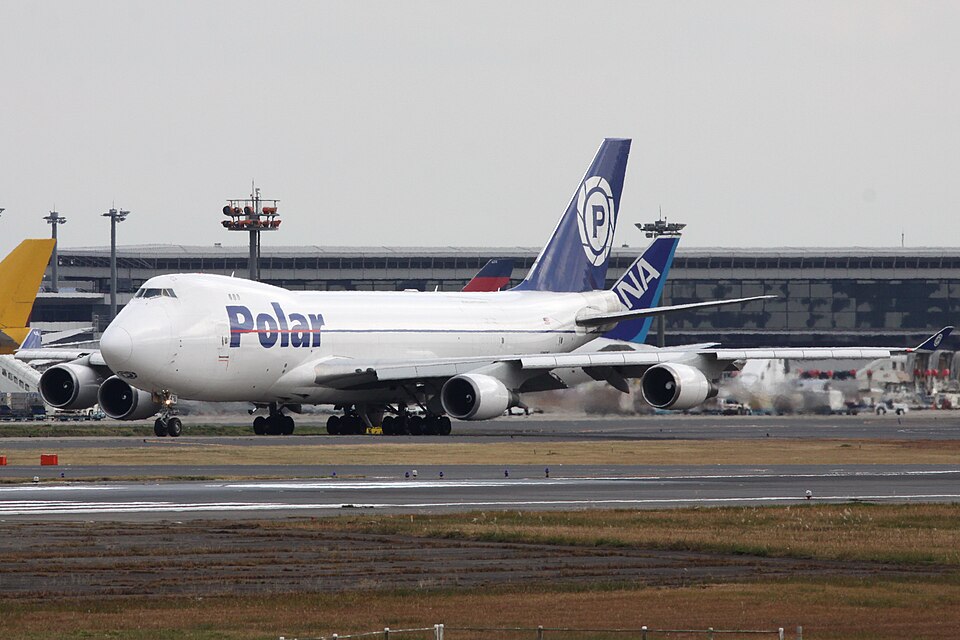
During a final approach, the aircraft with registration N416MC intercepted the approach path, and its autopilot captured the instrument landing system (ILS) localiser and glideslope simultaneously. At that time, a Boeing 787 was holding on taxiway A1. Taxiway A1 lies within the critical area for the glideslope of runway 16R. The presence of the Boeing 787 in that critical area likely caused N416MC to receive either a distorted glideslope beam or a beam with varying signal strength. This condition led to a glideslope failure indication, which prompted intervention by the flight crew. The captain detected the failure by crosschecking the two primary flight displays.
ATC Procedures
At the time of the incident, the glideslope critical area was not required to be protected, in accordance with the manual of air traffic services.
ATSB Commentary
The Australian Transport Safety Bureau (ATSB) noted that regulators and manufacturers have previously observed that it is common practice for operators to conduct coupled approaches and autoland to satisfy maintenance, training, or reliability program requirements. These approaches may be performed in weather conditions that do not necessitate protection of the ILS signal. There have been prior incidents in which the autopilot responded to disturbances in the ILS signal when the aircraft was close to landing. Airservices Australia advises that ILS signals can be disturbed, with consequential effects on autoland performance, even when weather conditions do not require protection of the ILS critical area. For additional information on ILS signal distortion and the determination of protected areas following the introduction of the Airbus A380, the ATSB referenced an assessment titled 'Assessment of ILS protection areas impact on large aircraft operations.'