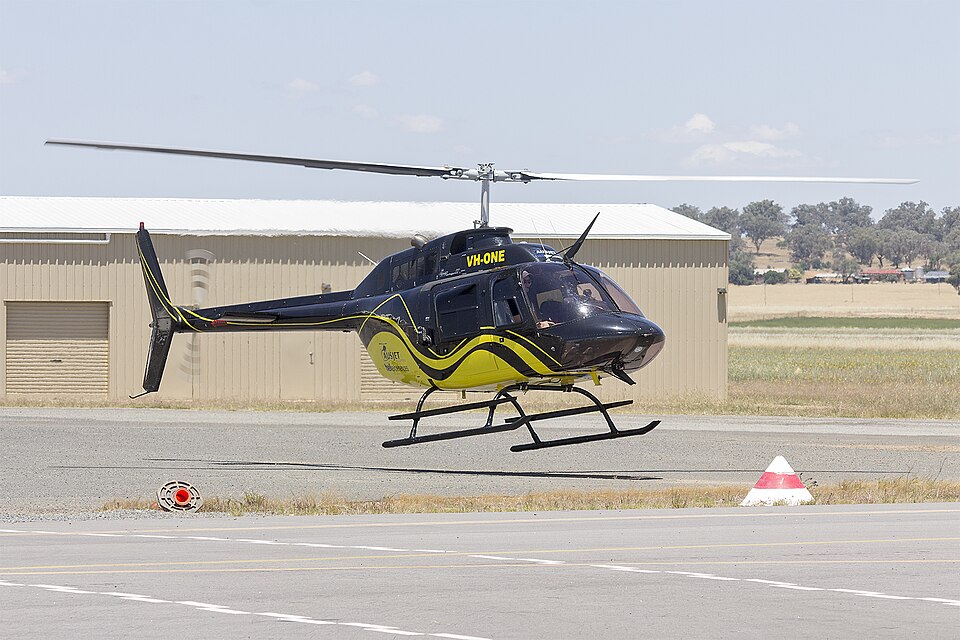
Engine failure leads to forced landing of helicopter following governor component failure

No fatalities • Des Creagh Reserve, Avalon Beach, New South Wales

A pilot successfully performed an autorotation and forced landing after experiencing uncommanded torque fluctuations and unusual engine noises.

What happened

During flight, the pilot of a helicopter experienced uncommanded fluctuations in torque accompanied by unusual engine noises. In response to these symptoms, the pilot elected to shut down the engine in-flight and execute a forced landing. Prior to the engine shutdown, the pilot lowered the collective lever to preserve rotor speed, which facilitated a successful autorerting process. The aircraft landed without no reported injuries, though the helicopter sustained minor damage.

Following the touchdown, the pilot had to intervene to stop a passenger from exiting the aircraft while the rotors were still rotating. This action was necessary to prevent a potential serious or fatal injury caused by the increased risk of blade sailing during the rotor decay phase.

The investigation

Technical inspections of the aircraft following the incident identified that the power turbine governor drive shaft had sheared. A detailed examination traced the failure back to the governor spool bearing, which had failed and subsequently sheared the spool bearing guide post. This mechanical failure caused consequential damage to various components within the governor and led to the breakage of the drive shaft.

Investigators noted that the spool bearing in question was a Parts Manufacturer Approval (PMA) part, which had been installed by a third-party repair station during an overhaul in 2015 instead of the original equipment manufacturer (OEM) part. While physical comparisons between the PMA bearing and the OEM version showed certain discrepancies, the investigation did not conclude whether these specific differences were the cause of the bearing failure.

Findings

  • The failure of the power turbine governor spool bearing and the shearing of the guide post led to the engine malfunction.
  • The shearing of the drive shaft was a consequence of the internal governor failure.
  • The pilot's decision to lower the collective prior to shutdown assisted in the successful completion of the autorotation.
  • The use of a PMA part in place of an OEM part was confirmed, though its direct contribution to the failure remains undetermined.

Probable cause

The engine malfunction was caused by the failure of the power turbine governor spool bearing and the subsequent shearing of the spool bearing guide post and drive shaft.

Frequently asked questions

What happened in the 2017-06-11 Bell Helicopter Co 206B accident near Des Creagh Reserve, Avalon Beach, New South Wales?

A pilot successfully performed an autorotation and forced landing after experiencing uncommanded torque fluctuations and unusual engine noises.

Were there any fatalities in the 2017-06-11 Bell Helicopter Co 206B accident?

No fatalities were recorded in this accident.

What aircraft was involved and where did it happen?

The accident on 2017-06-11 involved a Bell Helicopter Co 206B, registration VH-ONE, at Des Creagh Reserve, Avalon Beach, New South Wales.

What was the probable cause of the accident?

The engine malfunction was caused by the failure of the power turbine governor spool bearing and the subsequent shearing of the spool bearing guide post and drive shaft.

Loading the flight search…