Accident Overview
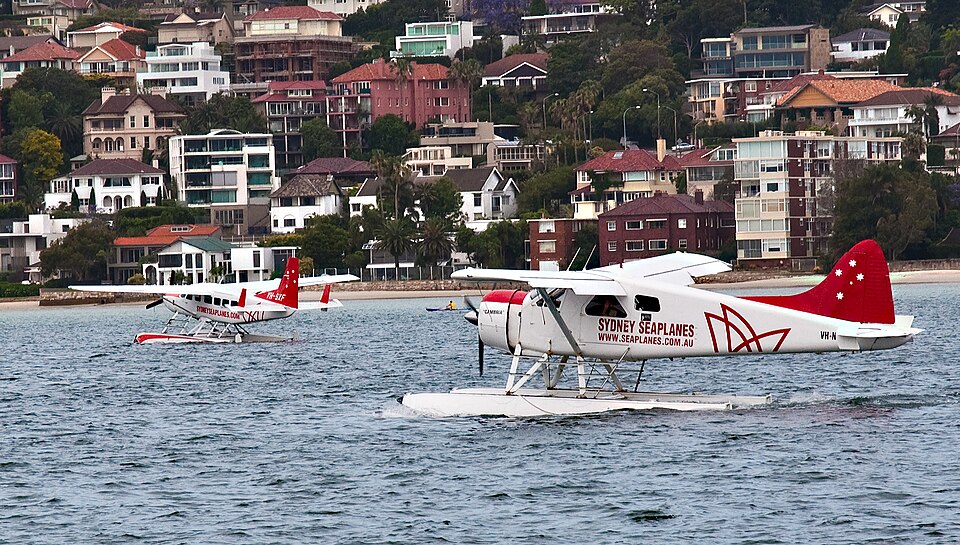
On 31 December 2017, a de Havilland Canada DHC-2 Beaver floatplane, registered VH-NOO, operated by Sydney Seaplanes, crashed in Jerusalem Bay, New South Wales. The aircraft had departed Rose Bay for a charter flight to Cottage Point, then conducted additional flights. After a 27-minute taxi with the pilot's door ajar, it departed Cottage Point with five passengers at about 1511. Witnesses observed the aircraft flying level or slightly descending into Jerusalem Bay, then entering a steep right turn at low level. The nose dropped and the aircraft collided with water, coming to rest inverted and submerged. The pilot and five passengers received fatal injuries.
Contributing Factors
According to the official investigation, contributing factors included: The aircraft entered Jerusalem Bay, a known confined area, below terrain height with no operational need. During a steep turn, the aircraft likely aerodynamically stalled at low altitude. There were elevated carbon monoxide levels in the cabin, causing higher carboxyhaemoglobin in occupants. Pre-existing cracks in the exhaust collector ring likely released exhaust gas into the engine bay, which entered the cabin through holes in the main firewall where three bolts were missing. The extended taxi with the door ajar likely exacerbated the pilot's carbon monoxide exposure, degrading ability to safely operate the aircraft.
Safety Issues
The investigation noted that disposable chemical spot detectors for carbon monoxide can be unreliable; there was no regulatory requirement for active warning detectors. The effectiveness of the detector on the aircraft was likely reduced by sun bleaching. Sydney Seaplanes had no monitoring mechanism for detector serviceability. Bolts securing magneto access panels were worn and non-standard, increasing risk of loosening. The operator relied on volunteered passenger weights without allowances, risking overload. Standard passenger weight guidelines were outdated. Australian regulations did not mandate flight recorders for aircraft under 5,700 kg, hampering determination of factors in this and other accidents.