Events
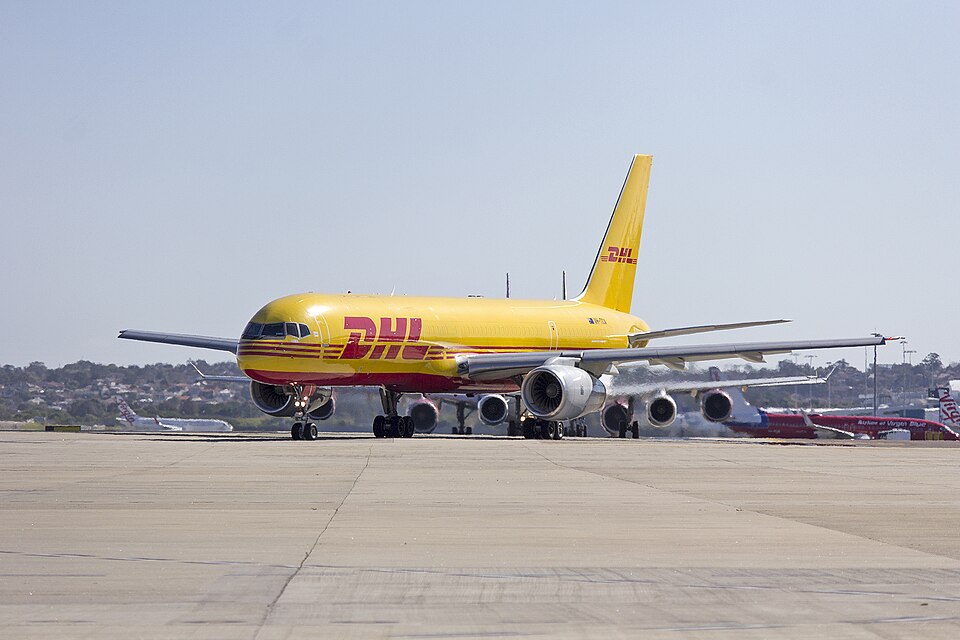
On 1 February and 5 February 2018, a 757 aircraft experienced failures in its left and right hydraulic systems. The sequence began with a rupture of the left main landing gear downlock actuator retract flex hose under pressure during landing gear retraction. This caused depletion of hydraulic fluid in the left side and low pressure. The exact mechanism of the rupture could not be determined due to extensive corrosion on the fracture surfaces. The hose did not exhibit any physical damage that would have made it more susceptible to failure.
After the crew shut down the left system, the right hydraulic system overheated. This occurred because the power transfer unit (PTU) pressure switch was stuck in the open position, causing the associated pump to run continuously without hydraulic fluid in the left system. These events were consistent with failure sequences reported in 2001 and 2010 service bulletins. The non-mandatory 2010 service bulletin to modify the susceptible PTU switch had not been actioned, which probably resulted in the failure of the pressure switch due to contamination or corrosion.
After the crew shut down the right engine driven pump (EDP), the right hydraulic system was pressurized only by the right electric motor driven pump (ACMP). The pressure output of the ACMP is lower than that of the EDP. It is therefore likely that the right system pressure warning annunciated while adequate hydraulic fluid remained, because the ACMP output was not sufficient to meet the right system requirements and simultaneously operate the PTU motor under a no-load condition.
Maintenance and Service Bulletins
The aircraft was leased by the operator after the publication of the non-mandatory 2010 service bulletin. The audit of maintenance records during the aircraft transfer only pertained to mandatory service bulletins and airworthiness directives. Thus, the operator was unaware of the 2010 service bulletin on the pressure switches until discussion with the manufacturer. System testing after the occurrence did not identify the issue with the pressure switch.
Given that the left hydraulic hose failed within five days of a right hydraulic hose failure on the same aircraft, the ATSB considered whether the events were related. Under normal operations, the hydraulic system was designed to act as three independent systems. Despite being manufactured in the same batch, the right hose was installed five years before the left, resulting in the hoses failing at a significantly different number of flight cycles. As the hoses were installed on different sides and no common link could be identified, it is likely that the events were isolated and independent.
Crew Actions
The flight crew took appropriate action in response to the warning messages. They followed the QRH checklists as required and completed the prescribed actions. The design of the 757 hydraulic system ensures that any one hydraulic system can independently provide adequate aircraft controllability. The QRH clearly notes alternative mechanisms for activating critical aircraft controls should they become inoperative. After shutting down both hydraulic systems, the crew maintained full control using the alternative mechanisms to activate critical in‑flight and landing systems.