Incident Overview
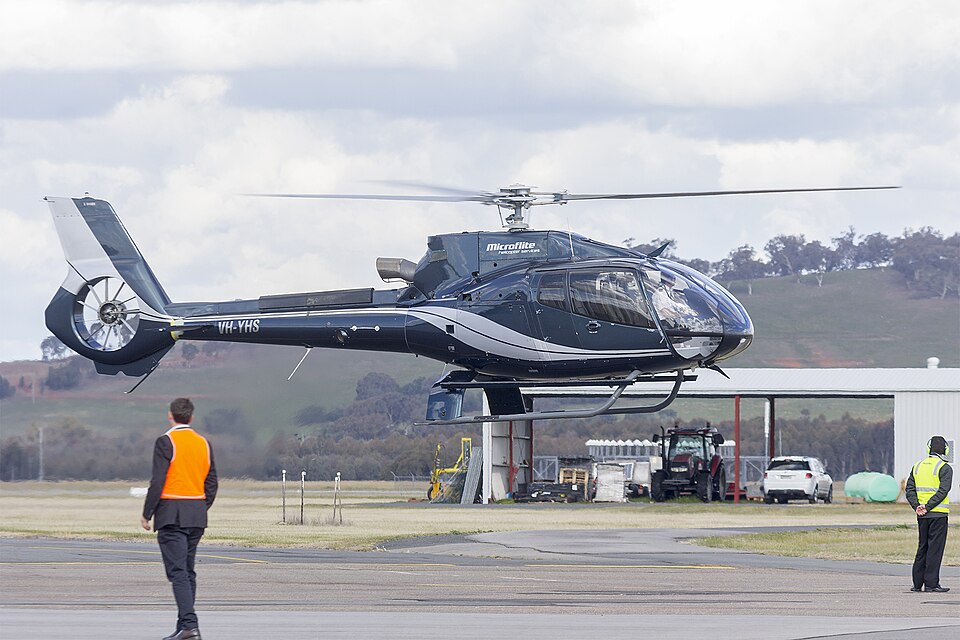
On the day of the accident, helicopter VH-YHS (YHS) had flown earlier without any reported defects. The high-performance helicopter was operating well below its maximum capacity with only three occupants. During the subsequent take-off, the pilot lifted YHS more rapidly than usual, without first letting it rest lightly on the skids and applying control inputs to achieve a balanced hover. This higher-than-normal application of control inputs caused the torque from the main rotor to be unbalanced by the anti-torque from the Fenestron tail rotor. As a result, once the helicopter was airborne, it yawed significantly to the left. A wind from the right may have initially increased the yaw rate.
Pre-Take-Off Checks and Distractions
The pilot’s pre-take-off checks did not confirm that everyone and everything was ready for the flight. Consequently, he had to delay the take-off while a passenger put on her headset. He then noticed the elevated temperature and turned on the air-conditioning. These interruptions may have influenced his actions, leading to the more rapid lift-off than normal.
Pilot Response and Accident Sequence
The rate of left yaw provided limited time to regain control. The pilot reported that he principally applied cyclic control rather than the required full application and maintenance of opposing right tail rotor pedal input. When his inputs did not arrest the yaw rate, he assessed that the best option was to land the helicopter. However, the attempted landing with a significant yaw rate resulted in a skid contacting the ground, the helicopter rolling over, and the main rotor blades striking the ground. The accident sequence developed rapidly, lasting about five seconds, illustrating the limited time for pilot actions in such hazardous situations. Fortunately, no serious injuries occurred.
Mechanical Examination and Conclusion
The maintenance organisation’s examination found no evidence of airworthiness issues with YHS to explain the accident. The pilot’s account and the manufacturer’s comments support the conclusion that a mechanical issue and the light wind did not contribute to the accident. Manufacturer’s guidance and similar accidents in comparable helicopters provide information for pilots to manage unanticipated yaw and avoid such outcomes.