Occurrence
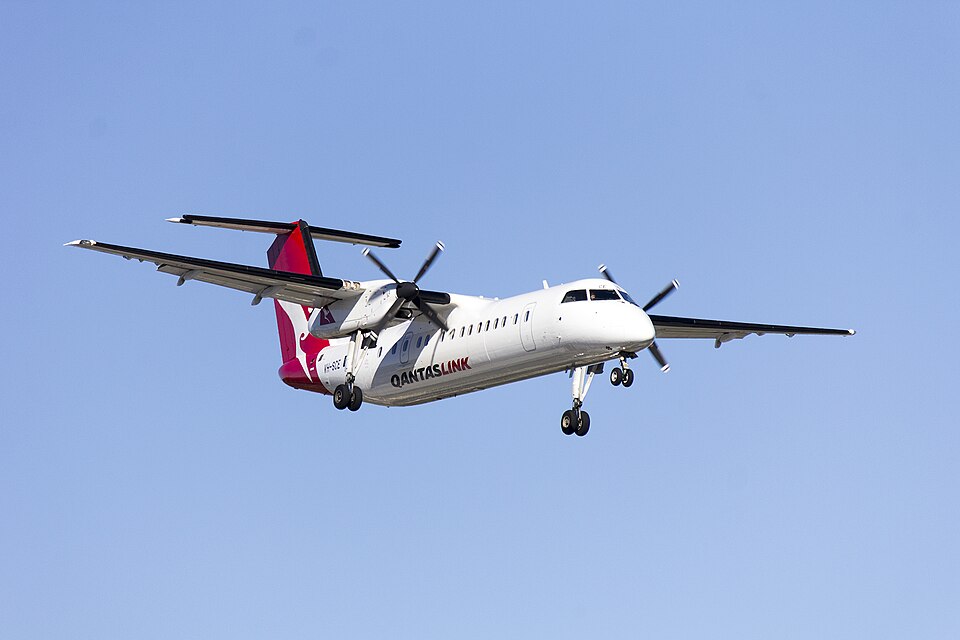
The ditching dam cover opened while the flight crew had initiated sterile cockpit procedures for approach to Whyalla Airport. At the time, conditions were benign, although the aircraft had operated in severe icing and turbulence earlier in the flight. The specific reason for the cover opening could not be determined.
Effects of the Opening
Once the cover partially opened, aerodynamic forces drove it fully open, allowing the dam bag to unfurl into the airstream. The bag, cover, and inflation hose subsequently struck the fuselage repeatedly, producing a loud noise heard by the occupants. The ATSB noted that, given the device's location, if any part had come loose, further damage to the aircraft was unlikely.
Examination Findings
Prior to the flight, the cover was reported as secure. However, post-occurrence replacement of the ditching dam revealed that it did not initially meet the required engagement tolerance into the airframe retaining channel. This raised the possibility that the occurrence cover may have appeared visually secure during the pre-flight inspection while not being properly engaged. The ATSB considered that earlier exposure to severe weather may have affected the security of the cover, though conditions were benign when the device opened.
Crew Actions
The cabin crew chose to break the sterile cockpit environment to inform the flight crew of the issue. While this had the potential to distract from other flying-related tasks, the ATSB considered that the need to inform the flight crew of an abnormal situation of unknown severity appropriately balanced that risk. Management of the unexpected deployment was controlled through the use of non‑normal checklists and effective resource management.