Background
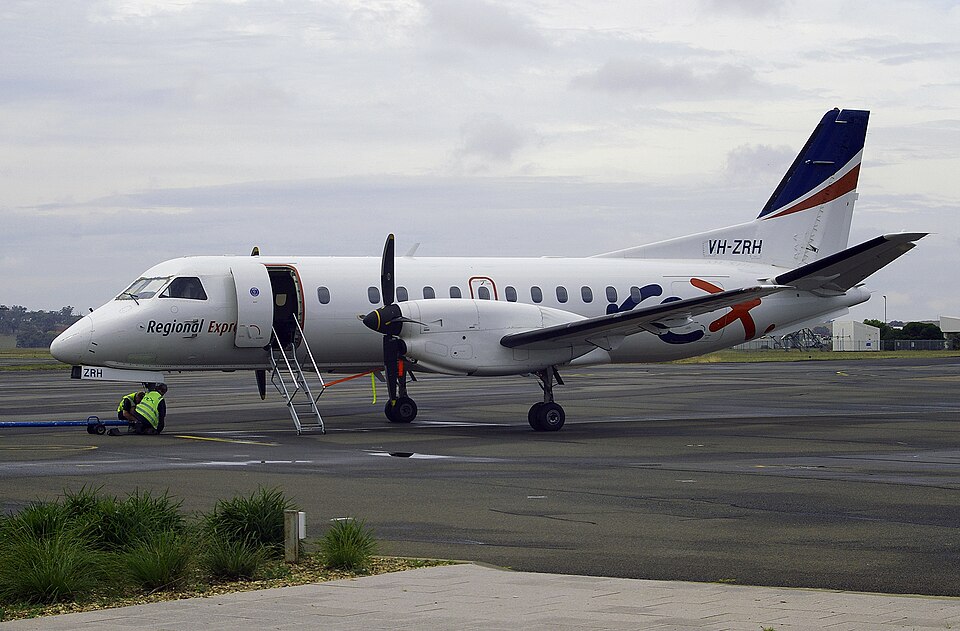
The incident involved two aircraft, VH-ZRH and VH-ITF, operating at Carnarvon. Crews of both aircraft were provided with sufficient information to maintain situational awareness and be alerted to relevant traffic. However, the pilots did not fully comprehend the traffic picture and did not recognize the potential conflict.
Incident Sequence
The flight crew of VH-ZRH believed that VH-ITF had departed, despite traffic information from Melbourne centre stating that VH-ITF was still taxiing at Carnarvon. Although a controller could provide such information if an aircraft had not yet made a departure call, the statement that VH-ITF was taxiing should have been assumed true until confirmed otherwise.
Expectations strongly influence information search and perception. The flight crew of VH-ZRH had developed an expectation that VH-ITF had already departed, which likely influenced their perception of subsequent information. This expectation bias likely affected their ability to visually scan for traffic before entering the runway. The captain looked but did not see VH-ITF on the threshold. The ARO (Aerodrome Reporting Officer) could see VH-ITF from a similar position.
The pilot of VH-ITF was fully aware that VH-ZRH was taxiing and, hearing all transmissions, assumed that the other crew was equally aware of VH-ITF. The pilot expected VH-ZRH to hold short and saw no need for direct radio contact to clarify intentions. As the pilot of VH-ITF had VH-ZRH visual, they were able to quickly reject the take-off when VH-ZRH entered the runway.
Findings
The source indicates that expectations played a key role in the incident. The ATSB notes that the background may have masked VH-ITF from the captain’s scan, but the ARO could see it from a similar position. No probable cause is stated in the source.