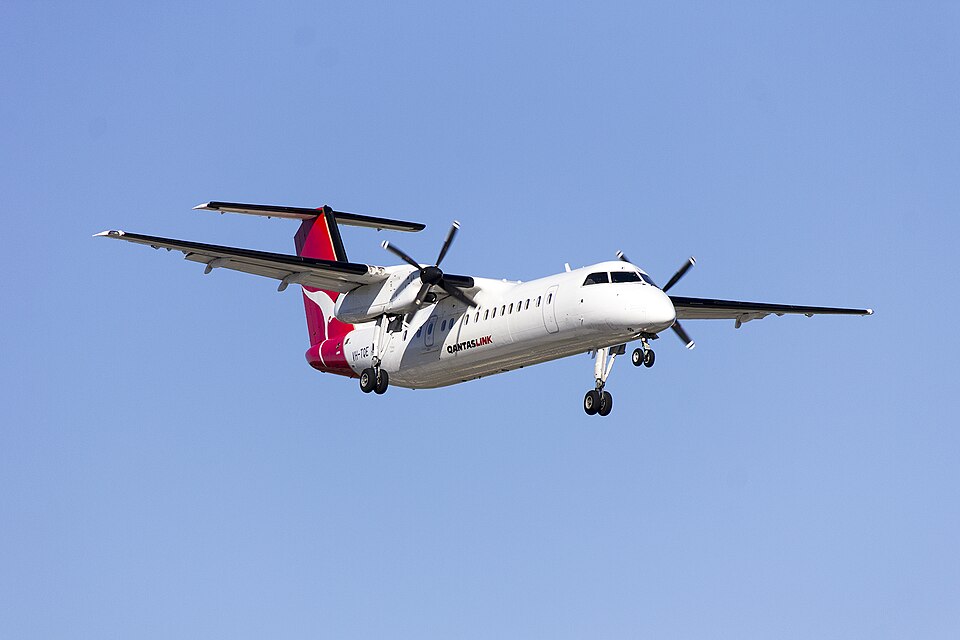
Incident Overview
According to the investigation, both the captain and first officer experienced a physiological response during the arrival into Tamworth. This response persisted through pre-flight preparations for departure. The resulting distraction likely degraded their attentional focus, leading to an initial misinterpretation of the fuel gauges.
Experience and Cognitive Challenges
The captain had limited experience on the Q300 aircraft. On this type, flight crews are required to mentally calculate the total fuel on board. This additional cognitive step probably increased the likelihood of error and made it more difficult to identify the mistake once it occurred.
Formation of Incorrect Mental Model
As a result of their actions during the initial fuel quantity identification, the captain and first officer formed an incorrect mental model of the aircraft's fuel state. This incorrect model, combined with ongoing reduced attentional focus, likely caused them to recall the wrong fuel figure during subsequent pre-flight activities.
Omission of Procedural Checks
The same factors probably influenced the flight crew's cross-checks and contributed to the captain and first officer omitting procedural checks designed to catch fuel quantity errors. Consequently, neither crew member identified the error until after the aircraft was airborne. At that point, they followed procedures by seeking out new information during the cruise fuel check.