Incident
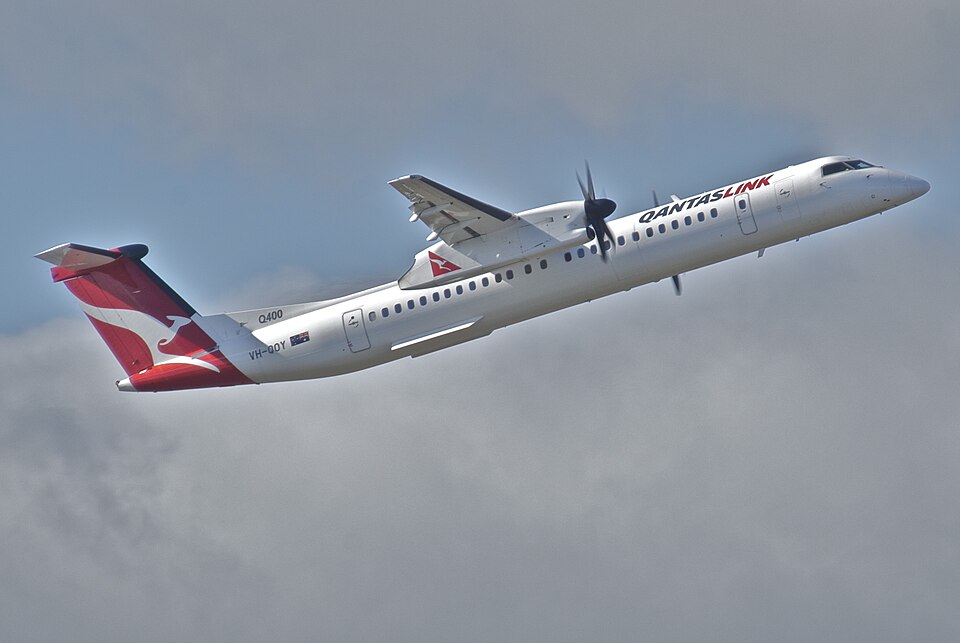
After takeoff from Sydney, the flight crew did not retract the landing gear. The issue was not identified until the aircraft reached 15,000 ft. No landing gear speed limits were exceeded during the climb. Although the aircraft exceeded the 15,000 ft maximum altitude for operating with the landing gear extended, the aircraft's serviceability was not affected.
Crew Actions and Distraction
During the initial climb, both pilots were heavily focused on the aircraft's speed. The captain also concentrated on the pitch attitude, having previously observed other pilots pitching higher than the operator's procedures recommended. The first officer's workload increased while hand-flying the aircraft. The standard call for positive rate, a routine action, was likely omitted due to diverted attention. Without the positive-rate call, the verbal cue for the first officer to call "gear up" was absent. Both pilots remained focused on aircraft performance and the increasing workload of the standard instrument departure.
Checklist Misidentification
When the after-takeoff checklist was performed, the captain called "landing gear" but did not identify the problem. The three green landing gear lights were illuminated, but the captain did not recognize this as abnormal for that phase of flight. The first officer also observed the three green lights later in the flight without concern. The pilots' strong expectation that the landing gear had been retracted influenced their perception, causing them to execute the checklist automatically rather than consciously verifying the gear status. Green lights are often associated with a safe state, which may have led to misinterpretation in this context.
Flight Crew Observations
Both pilots reported observing noise and vibration from the aircraft during the climb. They associated these sensations with a propeller balance maintenance log entry. To reduce the noise and vibration, the crew reduced the climb speed.