Incident Overview
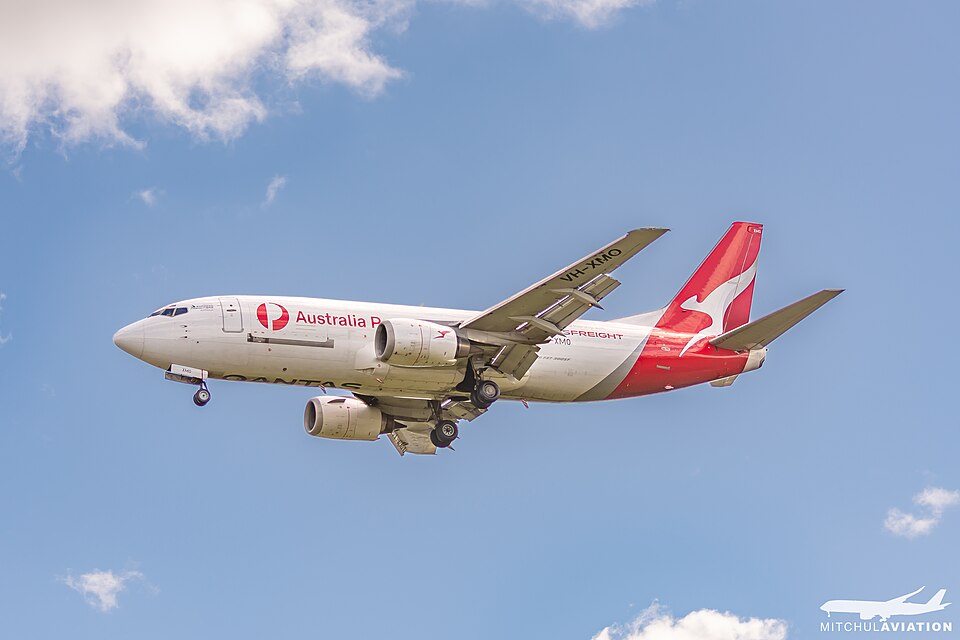
During descent into Melbourne, passing through 8,000 ft, the flight crew observed illumination of the AUTO FAIL and STANDBY annunciator lights on the pressurisation panel. They reported feeling a rush of cold air and soreness in their ears. The cabin differential pressure gauge indicated zero, and the main outflow valve position indication gauge read approximately 50 per cent open.
Maintenance Findings
Post-occurrence troubleshooting by engineering personnel identified a failure of the main outflow valve heater gasket. This failure may have caused the valve to freeze in the closed position. As the aircraft descended into warmer air, the valve may have thawed, resulting in its sudden opening and ingestion of an unsecured insulation blanket. The main outflow valve operation was inhibited, preventing it from modulating and resulting in an unrestricted venting of pressurised cabin air, which led to the inability to control cabin pressure.
System Response
One of four conditions is required to illuminate the AUTO FAIL annunciator. The pilots' report of a rush of air and ear soreness indicates that an excessive rate of cabin pressure change (1,890 sea level ft/min) was probably detected by the cabin pressure control system, triggering the AUTO FAIL light. The STANDBY annunciator illuminated because the pressurisation system could not automatically operate and switched to STANDBY mode.
Checklist Handling
The Australian Transport Safety Bureau (ATSB) assessed that the flight crew's decision to suspend the non-normal checklist at 4,000 ft was appropriate due to the aircraft being already depressurised and on approach to land.
Cargo Bay Insulation Condition
During post-occurrence troubleshooting and inspections, engineers discovered multiple aft cargo bay insulation blankets installed incorrectly, damaged, unsecured, or missing. This included an insulation blanket protruding from the main outflow valve, inhibiting its operation. As part of rectifications, engineers correctly oriented and installed new blankets where required.
Maintenance History
The incorrect installation of some blankets, along with an inadequate inspection of their condition, occurred at some point prior to the occurrence. A heavy maintenance check was carried out on 26 April 2020, 15 months before the incident on 6 July 2021. This maintenance activity included tasks in the aft cargo bay that necessitated disturbance and partial or complete removal of the insulation blankets. No documented evidence of subsequent maintenance that would require access to insulation blankets was found. It is unlikely undocumented maintenance occurred due to the need to remove multiple interior linings and the cargo floor. Therefore, it is probable that during the heavy maintenance check on 26 April 2020, the insulation blankets were installed incorrectly, and an inadequate area inspection was carried out.