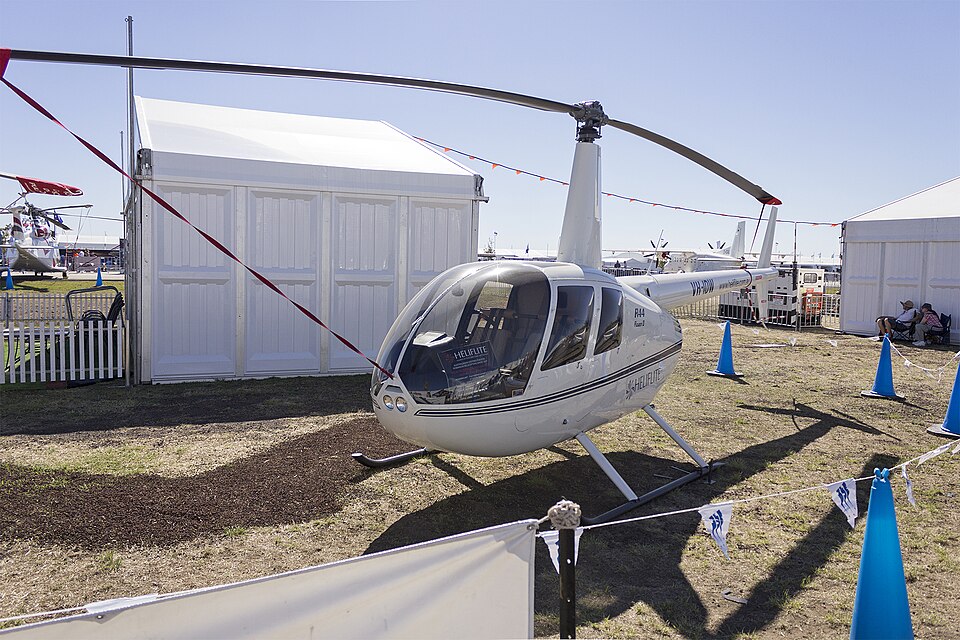
Accident Overview
At about 0900 local time on 28 February 2022, a pilot and an egg collector were preparing to conduct crocodile egg collection near King River, Northern Territory, using a Robinson R44 Raven II helicopter registered VH-IDW and operated by Helibrook. The operation was authorized by a Civil Aviation Safety Authority (CASA) instrument allowing the pilot to carry a sling person on a 100-foot line attached to the helicopter.
At 1024, crews of two other R44 helicopters also collecting crocodile eggs nearby became concerned that they had not heard communications from VH-IDW. One helicopter returned to the last known area and at 1036 found the egg collector on the ground, fatally injured, still wearing a harness attached to the sling line, which was disconnected from the helicopter. The helicopter had collided with terrain 44 meters beyond the sling person, and the pilot lay beside it with serious injuries.
ATSB Findings
The Australian Transport Safety Bureau (ATSB) investigation determined that the helicopter was likely not refuelled at an en route fuel depot situated about three-quarters of the way between the departure location near Darwin and the clearing where operations were to commence. The pilot did not identify the reducing fuel state before the engine stopped in flight due to fuel exhaustion.
During the subsequent autorotation, the pilot released the egg collector above a height that would likely have been survivable, resulting in fatal injuries. The pilot then completed the autorotation, but there was insufficient main rotor energy to cushion the landing, leading to serious pilot injuries and substantial damage to the helicopter.
The ATSB also found that Helibrook's CASA-approved safety management system was not being used to systematically identify and manage operational hazards. Consequently, risks inherent in human sling operations, such as carrying the sling person above a survivable fall height, were not adequately addressed.
Additionally, CASA lacked an effective process for ensuring that an authorization would not adversely affect safety. CASA delegates did not apply a structured risk management process to identify and assess risks, ensure suitable mitigations, or assess the effects of changes. This resulted in the removal of instrument conditions that had limited height, speed, and exposure for the sling person, permitting carriage at a non-survivable fall height.
Other Risk Factors
The investigation identified several factors that increased risk but for which there was insufficient evidence to show they contributed directly to the accident. These included: CASA's lack of effective process allowing continued operation of piston engine helicopters for human sling operations without adequate mitigations; engine defects likely affecting maximum power and fuel consumption; likely overrun of maintenance, inspection, and overhaul periods by Helibrook; the pilot's exposure to cocaine within the previous few days, which may have increased fatigue, depression, and inattention; and the helicopter's emergency locator transmitter having been removed from its mount, likely delaying the emergency response.
Safety Actions
CASA implemented significant changes to its internal processes to standardize safety risk assessment and management for new aviation activities and associated approvals, in accordance with its Risk Management Manual. It developed an 'exemption protocol suite' detailing principles, protocols, and work instructions for the regulatory exemption process, and completed exemplar bowtie and aviation safety risk assessments.
Helibrook advised that it had ceased operation and was selling its helicopter fleet. The chief executive officer/chief pilot was no longer involved. CASA confirmed that Helibrook was suspended from operation due to the lack of required key personnel.
The ATSB referred matters regarding possible offences under the Transport Safety Investigation Act 2003 to the Australian Federal Police for investigation, which subsequently referred them to the Northern Territory Police.