What Happened
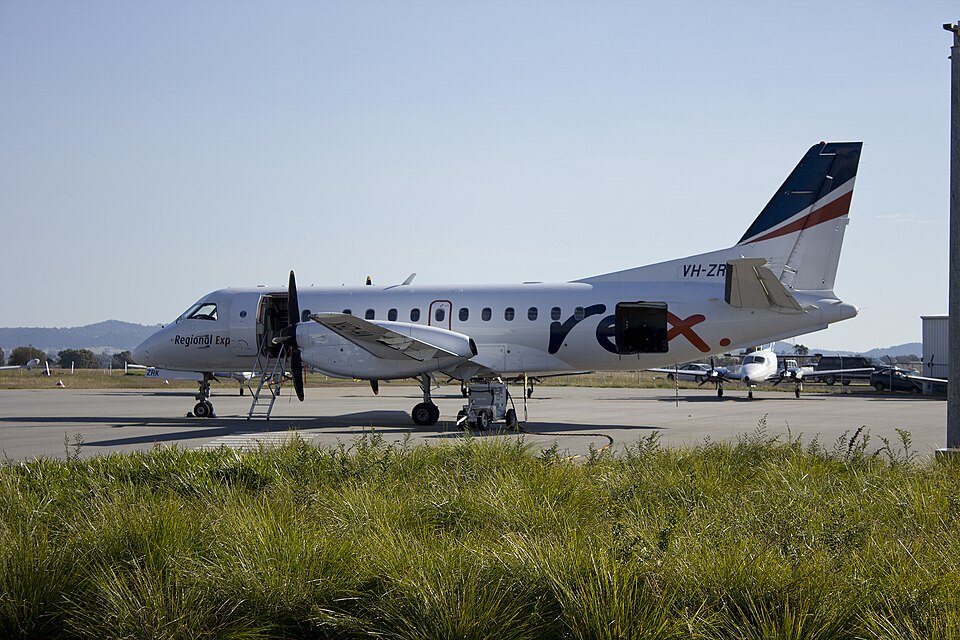
On 5 April 2022, a Saab 340 aircraft, registered VH-ZRK and operated by Regional Express, was being prepared for an air transport flight from Melbourne, Victoria. On board were the captain, first officer, one flight attendant, and 23 passengers.
During the engine start, the ground power unit was disconnected prematurely from the left engine by ground crew, which resulted in an interrupted start. The flight crew initiated the interrupted start checklist which included motoring the engine to purge residual fuel. During the motoring procedure, the ground crew signalled to the flight crew (using gestures) that they observed flames and smoke coming from the left engine and to shut down the engine. In response, the crew shut down both engines and discharged the left engine fire extinguisher and ordered an evacuation. During the evacuation, 2 passengers sustained minor injuries. A subsequent inspection found no indication of an engine failure or damage prior to or at the time of the occurrence.
ATSB Findings
The ATSB found that, due to repeated non-standard signals from the ground crew about smoke and flames from the left engine, the motoring cycles were not completed which resulted in a tailpipe fire. The captain, based on the continued signals from the ground crew, and a rising interstage turbine temperature (ITT), decided that an emergency evacuation was required. However, the captain had not communicated their observations or actions to the first officer prior to making this decision which limited their opportunity to contribute to the identification and management of the situation. The captain did not use all available information to positively confirm the severity of the situation prior to ordering the evacuation and did not communicate their intent to the first officer.
The decision to evacuate occurred while the flight attendant was using the public address system to brief passengers. As a result, the captain did not initially use the primary method (an announcement over the public address system) to alert the cabin that an evacuation was required, instead using a secondary method (4 chimes). The secondary method was not recognised by the flight attendant, so they were unaware that an evacuation was required until the captain opened the flight deck door to communicate directly.
When the flight attendant then ordered passengers to evacuate, there were limited instructions provided to them. As a result, the passengers in the emergency exit row did not open a useable exit which delayed the evacuation of the aircraft. During the evacuation, some passengers took their baggage which increased the risk of injury and delays exiting the aircraft.
The response to the situation by the aviation rescue and firefighting service was initially delayed by 2 minutes due to the nature of the problem not being communicated directly to air traffic control from the aircraft.
On an organisational level, the ATSB found that Regional Express did not provide flight crew or ground crew recurrent training to review the hand signals required to communicate with each other, including those used in an emergency. In addition, although flight crew were required to notify ground crew if an evacuation had occurred as necessary, the operator did not provide awareness to ground crew on the actions to be taken in the event of an evacuation.
Contributing Factor
A ground crew member disconnected the ground power unit without having been signalled to do so. This happened while the left engine was starting, which resulted in an interrupted engine start, and the initial development of an engine tailpipe fire.
Actions Taken
Regional Express developed an additional hand signal to indicate an interrupted engine start and included this in training content for both ground and flight crew. The operator also provided additional training and guidance to ground and flight crew about marshalling and dispatch procedures (including all hand signals) and reviewed all related operational manuals. To maintain awareness, posters detailing hand signals were placed in crew high traffic areas.