Introduction
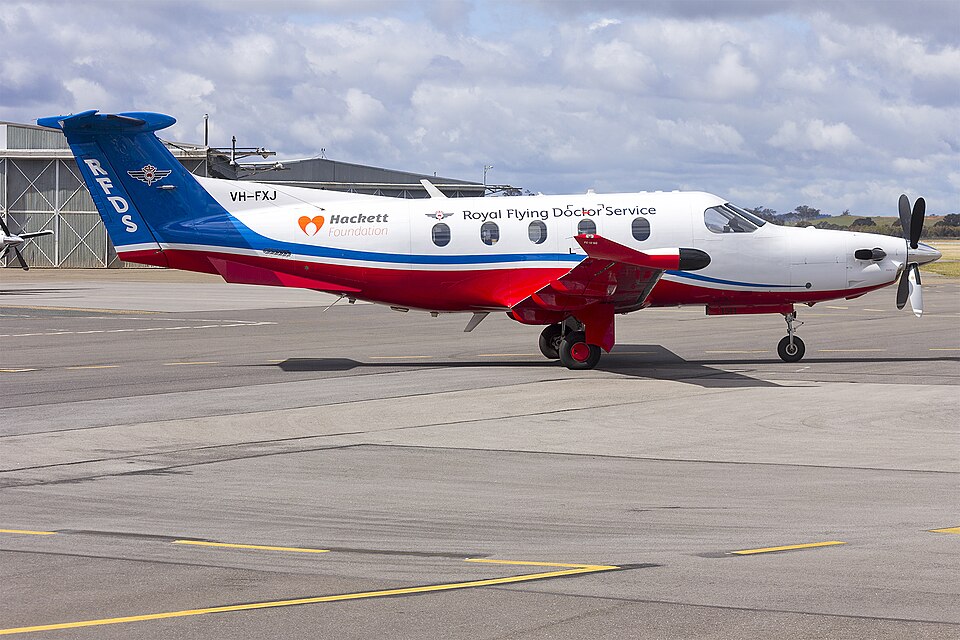
On the night of the incident, Adelaide Airport had temporary taxiway closures in place. These closures were broadcast on the ATIS and published in the Adelaide Airport NOTAMs. Both the pilot and the controller were aware of the temporary closures. The aircraft was cleared to and entered a temporary unserviceable area, colliding with an unserviceability light before proceeding to take-off.
Clearance and Entry
The controller, who reported feeling alert despite the early morning hour, was experienced as the sole controller in the tower and remained active by completing company computer-based training. Since the operator’s aircraft required the full runway length for departure, the controller likely gave a commonly-used taxi clearance while momentarily forgetting about the taxiway closures. Although the controller had created a custom text box on their display to remind them of the closure, it was ineffective, and no built-in alerting system existed if an aircraft was cleared onto the closed taxiway. The controller issued a clearance for the aircraft to taxi through a temporarily closed movement area.
The pilot, aware of the taxiway closures, planned a taxi route to avoid them. However, assuming the clearance indicated the works were no longer active, the pilot did not question the clearance. The pilot reported not seeing the red unserviceability lights before entering the closed section of taxiway, and the aircraft struck one of the temporary lights.
Lighting and Markers
Three lights had been placed across the closed section of taxiway, which was 35 meters wide. Photographs taken along the taxiway showed that, with background lighting, it was difficult to identify the lights, though they were more noticeable close to the closed section. The lighting in place on the night was insufficient to alert the pilot that the taxiway was still closed. Additionally, the markers required to denote the unserviceable area were not in position.
Continued Departure
The pilot became aware they had entered an unserviceable taxiway and waited while the taxiway lights were removed prior to exiting the area. During that time, comments by the works safety officer about removing debris from a broken light were rebroadcast on all frequencies, including the one used by the pilot. The controller did not specifically state there was debris on the taxiway but questioned the pilot about whether they wanted to continue. The pilot, after checking with the flight nurse whether they had felt anything, assessed that the aircraft had not struck a light and continued the departure. Despite indications that an unserviceability light had been damaged by the aircraft, the pilot assessed the aircraft had not struck it and continued the flight without an inspection.
Method of Working Plan
The method of working plan stated that closed movement areas needed to be marked in accordance with the Civil Aviation Safety Regulations Part 139 (Aerodromes) Manual of Standards 2019 (MOS) and showed where markers were to be placed, but it did not specify a minimum number. It was Adelaide Airport’s general practice not to use cones to identify night works, which did not contribute to this incident. Three symbols were used to represent the unserviceability markers and red lights, likely influencing the general practice of using three lights to identify temporary unserviceable areas. The plan did not specify the number of lights to be used, and it was general practice to use three red lights.