First Event
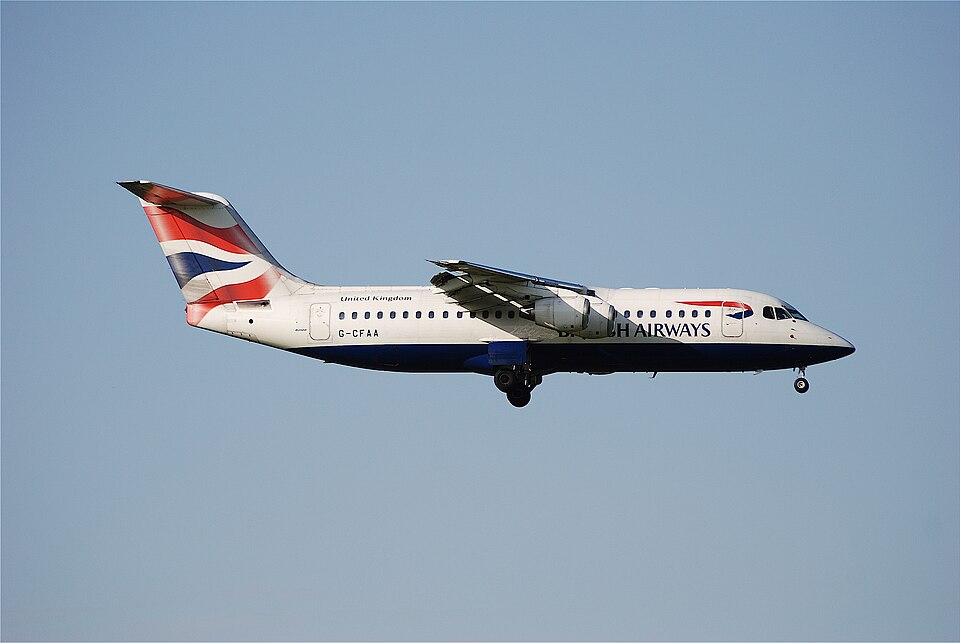
On 20 September 2006, an Avro 146-RJ100, registration G-CFAA, was descending through FL120 en route to Edinburgh when the crew detected fumes on the flight deck. They donned oxygen masks, noted low oil pressure on the No 2 engine, and shut it down. The crew performed the Quick-Reference Handbook (QRH) actions for engine failure/shutdown and smoke on flight deck, broadcast a 'PAN' call, and landed on Runway 24. A precautionary rapid disembarkation followed. The aircraft was then ferried to the operator's maintenance base at Birmingham, where the No 2 engine was replaced and other work carried out.
Second Event
After approximately a week in maintenance, the aircraft was returned to service on 26 September. The crew reviewed the Technical Log, which noted the engine replacement, test runs, and checks of air-conditioning packs and ducting for contamination. During the subsequent flight, immediately after the air supply was switched from APU to engine and the APU was shut down, dense smoke rapidly filled the flight deck while climbing through about 3,500 feet. The crew turned off engine air, selected APU air, restarted the APU, and the smoke slowly cleared. The cabin crew reported smoke in the cabin. The crew decided to land as soon as possible, requested an immediate return to Birmingham, and transmitted a 'PAN' call. An uneventful manual landing was made, and passengers disembarked normally at the gate.
Technical Investigation
The removed No 2 engine was examined, revealing internal damage and failure of its No 1 bearing, which allowed oil to contaminate the air-conditioning system. For the second event, residual oil remaining in the air-conditioning components from the initial failure was not eliminated during the rectification. Ground running after engine replacement did not fully exercise the air-conditioning system, and the contamination was not identified or removed. Subsequent ground running after the second event did not produce smoke, indicating the residual oil had been eliminated during the brief engine-air supply period on the first flight after maintenance.