History of the Flight
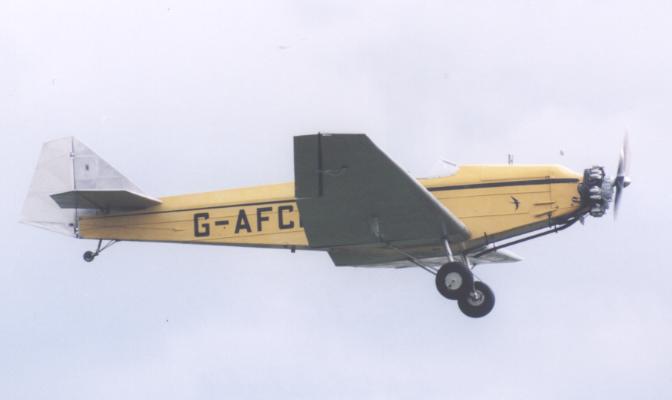
The aircraft, a BA Swallow 2 registered G-AFCL, had already completed two flights that day without incident. At 1845 UTC on 27 August 2009, the pilot, the sole occupant, returned to a private airstrip at Niden Manor, near Daventry, Northamptonshire, after a five-minute flight. The grass runway was oriented east/west, 800 m long and 20 m wide. The pilot, who held an Airline Transport Pilot’s Licence with 9,000 total flying hours (100 hours on type), estimated the surface wind from the south-west at 10 to 15 kt.
The Landing and Subsequent Event
The pilot flew a curving approach to the westerly runway to avoid obstacles under the final approach path and completed a normal landing. Immediately after touchdown, the aircraft began a slow turn to the right, which the pilot was unable to correct. The aircraft departed the right side of the runway, mounted an earth bank, and struck a fence at slow speed. The pilot, who was uninjured, shut down the engine and vacated the aircraft normally.
Damage Inspection
The accident resulted in damage to the propeller, the leading edges of both wings, the forward left fuselage, and the right main landing gear assembly.
Post-Accident Findings
Following the accident, the pilot determined that the cross-strut on the right main landing gear had fractured, probably at the moment of touchdown, causing the right main gear to fold outwards and resulting in a loss of directional control. The pilot did not consider the landing to have been abnormal or firm and could not explain the failure of the cross-strut.