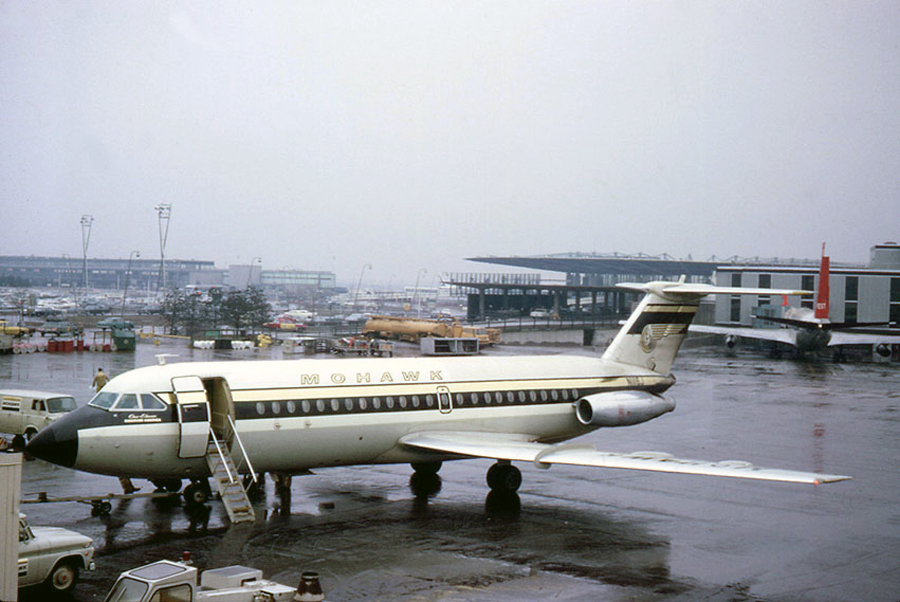
Incident Overview
On the day of the accident, a commercial aircraft departed Elmira-Corning Airport at 1439 local time on a scheduled flight to Washington-National Airport. The flight carried 30 passengers and a crew of four. After takeoff, air traffic control cleared the crew to climb to flight level 160. Shortly thereafter, the airplane assumed a nose-down attitude, plunged into the earth, and crashed with a massive explosion in a wooded area located one mile east of Blossburg, Pennsylvania. The aircraft disintegrated on impact, and none of the 34 occupants survived.
Investigation Findings
The official investigation determined the probable cause of the accident. According to the final report, the crash resulted from the loss of integrity of empennage pitch control systems. This loss was caused by a destructive in-flight fire that originated in the airframe plenum chamber. The fire was fueled by hydraulic fluid and progressed upward into the vertical tail fin.
Origin of the Fire
The fire itself originated from engine bleed air flowing back through a malfunctioning non-return valve and an open air delivery valve. This reverse flow passed through the auxiliary power unit and exited into the plenum chamber at temperatures sufficiently high to ignite the acoustic linings. The resulting fire compromised the aircraft's pitch control systems, leading to the loss of control and subsequent crash.
Aftermath
Emergency responders arrived at the crash site to find the wreckage scattered across the wooded area. The impact and ensuing fire left no survivors. The investigation concluded without any additional causal factors beyond those stated. The accident remains a significant event in aviation safety history.