Incident
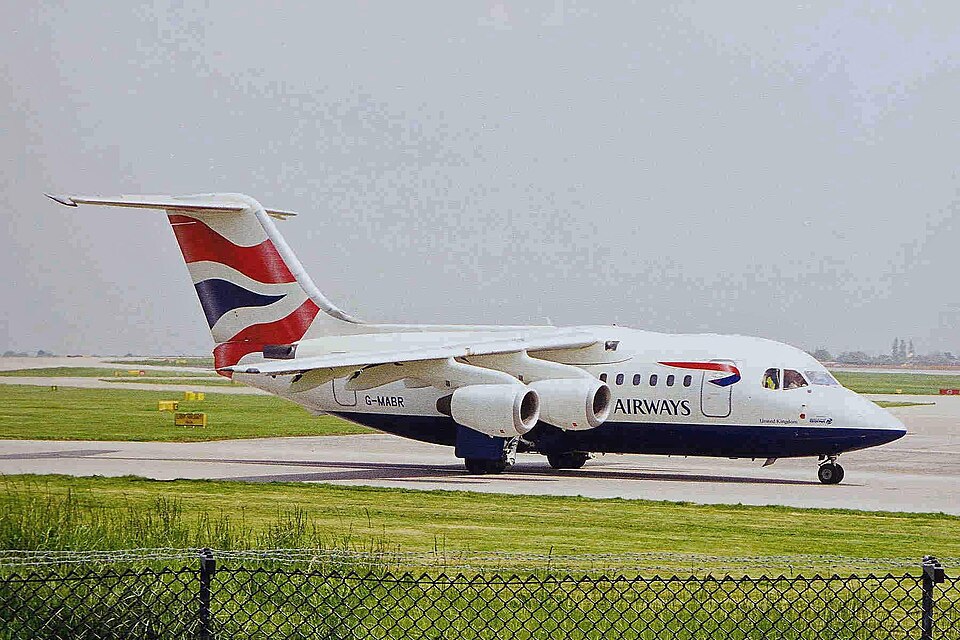
On 26 June 2003 at 1350 UTC, a BAe 146-100, registration G-MABR, was cruising at FL250 en route from Manchester, Lancashire to Nice, France. High-intensity red radar returns ahead indicated cumulonimbus activity, prompting the pilots to request and receive ATC approval to deviate east of the weather. The seat belt signs were turned on and the cabin crew made a public address for passengers to return to their seats and fasten seat belts.
As the aircraft passed approximately 20 nm east of the intense weather, the pilots observed a low-intensity green radar return about 10 miles ahead. Selecting 10 nm range, the return appeared to grow and split. The pilots chose a route between the returns. While clearing the area, the aircraft encountered sudden severe turbulence. The autopilot tripped off and the aircraft pitched nose-up to about 15° before the crew manually intervened. The encounter lasted about one minute, during which the aircraft climbed to about FL255.
Injuries
In the passenger cabin, two of the three cabin crew members were able to sit down, but the Senior Cabin Crew Member (SCCM) crouched in the aisle. Drinks were thrown into the air and a significant number of overhead baggage lockers opened, spilling contents onto passengers. No passengers were injured, but the SCCM and one other cabin crew member required treatment for minor injuries. Two passengers, although physically uninjured, required medical attention.
Aftermath
Occasional heavy thunderstorms had been forecast for the route. In such conditions, rapidly building cells appearing on radar at short range forced the pilots to plan avoidance quickly. They chose what appeared to be the best route through the area of low-intensity activity. The operator issued a safety notice to cabin crew requiring them to check that baggage does not protrude beyond the forward edge of the locker sill before closing and to visually check that the locker latch is engaged once the door is closed.