History of the Flight
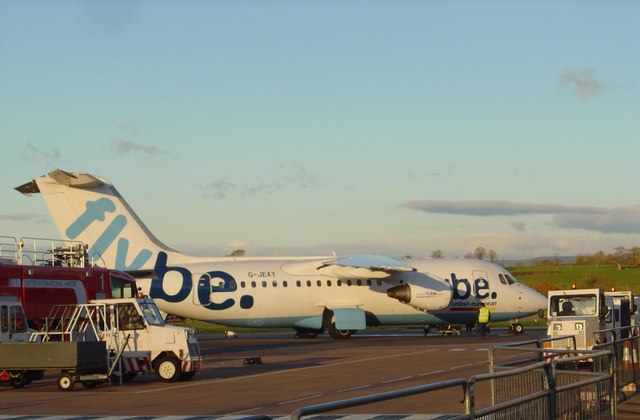
On 13 April 2006, at approximately 0640 UTC, a BAe 146-200 (registration G-JEAY) departed from Southampton on a public transport passenger flight. Shortly after takeoff, the captain's Attitude Direction Indicator (ADI) displayed an 'attitude' warning flag and the Traffic Collision Avoidance System (TCAS) failed. Both ADIs were selected to the No 2 system, which cleared the attitude flag, but the TCAS remained inoperative.
A few minutes later, an electrical burning smell became apparent on the flight deck. Simultaneously, the cabin crew reported a similar odour in the forward galley area. The flight crew decided to return to Southampton and declared a PAN. As the smell did not appear to worsen and there was no sign of smoke, the aircraft taxied to a stand after an uneventful landing, where the passengers disembarked normally.
Investigation
The operator's maintenance organisation investigated the incident and identified a defective vertical gyro unit located in the avionics bay as the source of the problems. The unit was returned to the manufacturer for further examination. Engineers found a defect in the unit's power supply, which had caused its transformer and associated components to overheat. Once the affected components were replaced, the unit was tested and performed to specification. After the vertical gyro was replaced on the aircraft, the TCAS and ADI faults cleared and the aircraft operated without further issues.
Damage
The only damage reported was an overheated vertical gyro unit.
Personnel
The commander held an Airline Transport Pilot's Licence, was 45 years old, and had accumulated 10,900 total flying hours, of which 4,600 were on the BAe 146 type. No crew or passenger injuries were reported.