History of the Flight
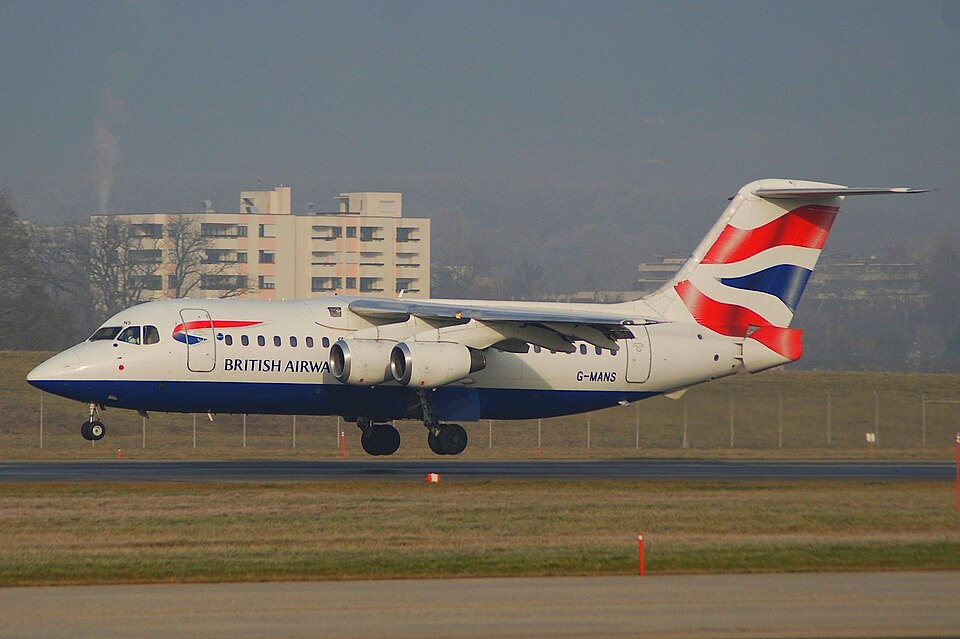
The aircraft, a BAe 146-200 registered G-MANS, was preparing for a scheduled flight to Manchester from Belfast City Airport, Northern Ireland. The crew of five and 53 passengers had boarded. The APU was started to supply air conditioning and electrical power. After pushback and engine start, the cabin crew noticed a smell of fumes and saw smoke, particularly toward the rear of the cabin. The flight deck was clear of smoke. The commander was informed and switched off the air conditioning packs, but the situation worsened. He ordered an emergency evacuation.
The senior cabin crew member opened the forward airstairs and assisted passengers, including a wheelchair user. A passenger opened the rear right door, deploying its slide. Airport rescue and fire services arrived; no external fire was found. The cabin was cleared, and the crew shut down the aircraft before joining passengers. One passenger suffered a minor back injury and was taken to hospital but released later that day.
APU Examination
The APU had been overhauled several months earlier and had operated over 500 hours. After removal, examination revealed oil deposits and staining on the compressor rotor and air intake. Evidence of recent significant oil loss, with clean oil washing away dirt on the compressor bearing housing, indicated a leak from the compressor carbon seal. Minor leakage is typical for this APU type but unlikely to cause sudden smoke. The carbon seal showed uneven wear and micro-pitting on the seal rotor face, but no overheating or bearing failure. An 'O' ring seal was missing from the bearing retainer assembly, but no trace was found in the gearbox oil tank.
Analysis
Dismantling showed the compressor carbon seal had been leaking oil into the air inlet. If the leak rate was sufficient, oil could enter the air conditioning packs. Recent oil washing indicated a sudden increase in leakage, a potential source of the smoke and fumes. The manufacturer's agent attributed the sudden increase to a compressor surge, which moves the rotor assembly aft, compressing spring washers and seal bellows. Repeated surges can unseat the carbon seal, allowing oil to escape. The missing 'O' ring was not considered to have affected the leak.
The commander, familiar with previous APU oil seal incidents, initially suspected the APU. When smoke did not dissipate after switching off packs, he decided to evacuate. The forward airstairs were used for safety; opening doors and shutting down the APU allowed smoke to clear.
APU Modifications
Modifications SB-49-7076 Rev 1 and SB-49-47-36162A were introduced to capture oil leaks from the compressor carbon seal using negative pressure in the gearbox, preventing smoke in the cabin.