Incident Details
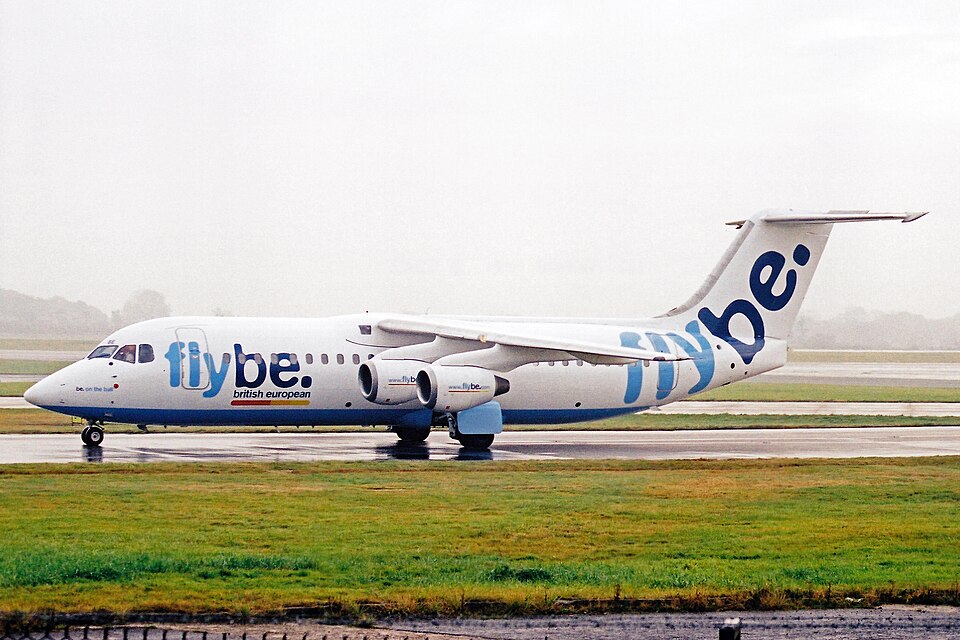
On 6 May 2000 at 1144 UTC, a BAe 146-300, registration G-JEBE, completed a normal pushback from Stand 57 at Birmingham International Airport. After receiving taxi clearance from Birmingham Ground, the crew released the brakes. Immediately, the right main landing gear descended into a trench that was covered by flat steel plates. The aircraft lurched violently to the right, and the number 4 engine nacelle came to rest on the taxiway surface.
In response, the commander ordered all four engines to be shut down and initiated emergency drills according to the checklist. As there were no signs of fire or smoke, confirmed by the number 1 cabin attendant, the commander decided not to discharge the fire extinguishers and did not order an emergency evacuation.
Injuries and Evacuation
The cabin crew instructed passengers to remain calm and stay seated. The first officer contacted the airfield Rescue and Fire Fighting Services (RFFS) on the Ground frequency, believing the right main landing gear had collapsed. After consultation with the RFFS, passenger steps were brought to the aircraft, and passengers disembarked orderly through the front and rear left-hand exits. They were then taken by bus to the airport lounge. No passengers were injured. Three cabin attendants, who were standing or moving at the rear of the aircraft after the safety demonstration, suffered very minor injuries.
Cause
The accident was caused by the failure of one or more of the large steel plates covering the trench to support the load imposed by the aircraft's right main landing gear. The plates had not been secured to the surface of taxiway Victor adjacent to Stand 57, and no temporary infilling of the trench with sandbags or other material to support the plates had been completed.