History of the Flight
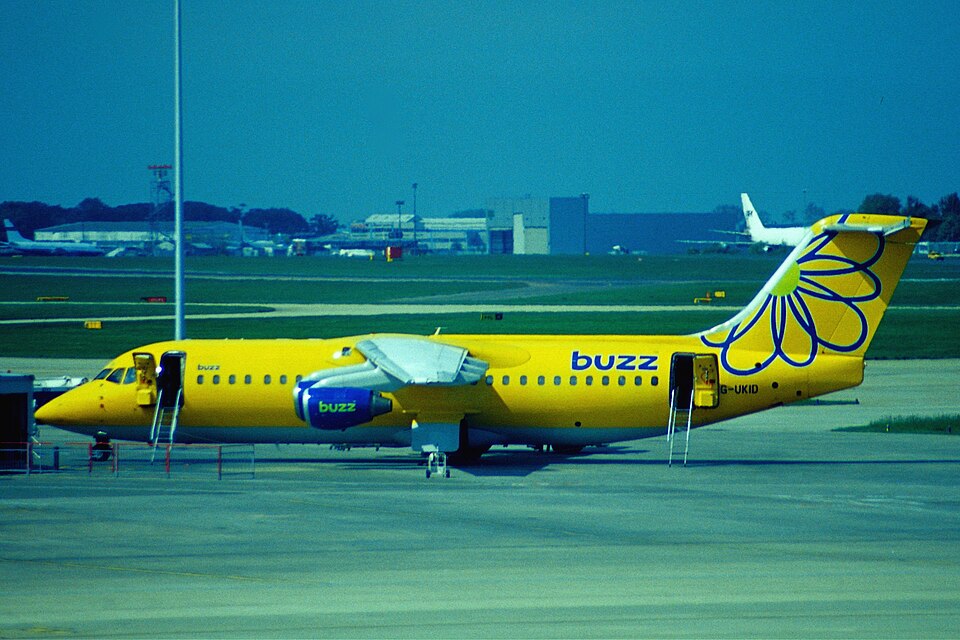
On 4 October 1999, a BAe 146-300, registration G-UKID, was operating a public transport flight from Aberdeen to Amsterdam. The aircraft had been parked overnight under cloudy skies with light rain showers and a surface temperature of +7°C. The crew completed pre-departure checks and took off at 0533 UTC from Runway 34.
During climb, the commander, who was the pilot flying, manually flew the aircraft until approximately FL100 to FL110, when he engaged the autopilot to test it. Upon engagement, the aircraft pitched nose-down and rolled left. The commander immediately disengaged the autopilot and continued the climb manually. As the aircraft climbed towards FL250, the aileron controls became progressively stiffer and eventually locked solid. The first officer also found his controls similarly affected.
The aircraft was levelled at FL270. The commander chose not to apply excessive force to overcome the jam, as recommended in the 'AILERON JAM OR UNCOMMANDED ROLL' drill, to avoid a sudden roll. Instead, he used aileron trim for lateral control, which proved satisfactory.
The crew suspected that water from overnight rain might have entered the control runs and frozen. They declared a PAN and diverted to Stansted, where weather conditions were better. The commander requested a descent to 5,000 feet (freezing level) hoping the controls would free, but the restriction persisted. He then operated the manual aileron disconnect handle, with no effect. As the aircraft descended to 2,500 feet, the ailerons gradually freed. After a low-speed handling check at 3,000 feet with landing gear down and 24° of flap, the crew performed an uneventful landing at Stansted.
Flight Control System Description
The BAe 146-300 roll control system uses aerodynamically balanced ailerons operated by servo tabs, with roll spoilers powered by the yellow hydraulic system. The left and right roll control circuits are normally coupled via an interconnect cable and a breakout detent strut linking the pilots' handwheels. A disconnect mechanism, activated by pulling the AIL PULL DISCONNECT handle, separates the interconnect cable, allowing independent control if a jam occurs. The autopilot servo is connected to the right-wing aileron servo tab circuit.
Examination and Findings
After the incident, the aircraft was placed in a heated hangar, and the aileron circuit was inspected. No evidence of a jam was found. The autopilot computer was confirmed to have a fault, but this was considered unrelated to the aileron restriction. The exact cause of the aileron restriction was not established. The Flight Data Recorder showed that the autopilot was engaged twice for short periods, both times inducing a left roll. The aileron and roll spoiler position data were unreliable due to transducer anomalies.
Manufacturer and Company Procedures
The Manufacturer's Operating Manual described the roll control system and the procedure for 'AILERON JAM OR UNCOMMANDED ROLL', which includes opposing the jam and pulling the aileron disconnect handle. The Company Operations Manual contained procedures for flight following breakout of aileron control and flight with the aileron interconnect circuit uncoupled. However, the company manual did not fully reflect the system description from the manufacturer's manual.