Synopsis
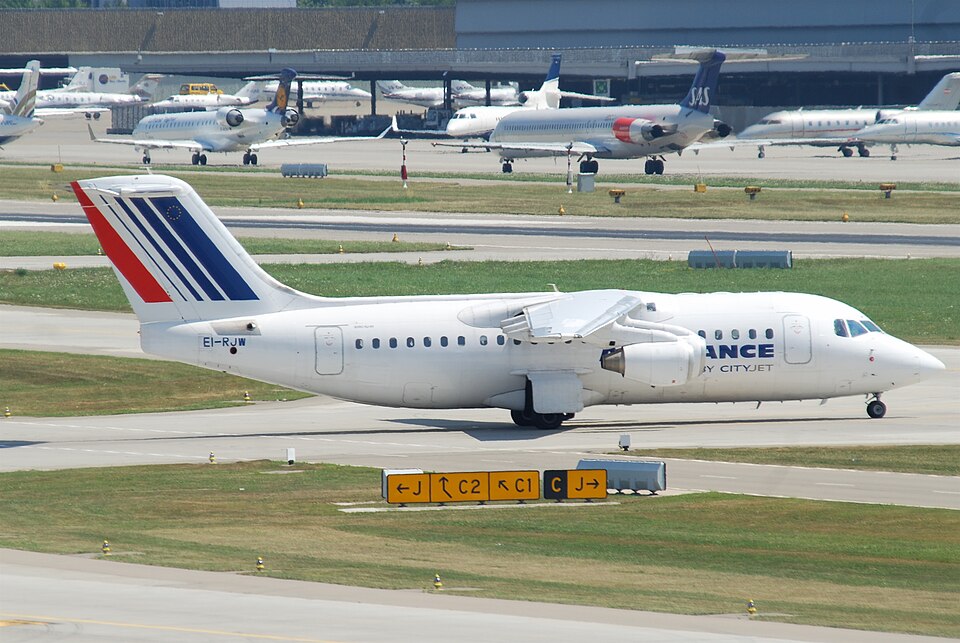
On 24 October 2013, a BAE 146 RJ85 (registration EI-RJW) experienced an engine fire during a power assurance check on the No 3 engine at Norwich International Airport. The fire warning appeared approximately three minutes into a full-power soak period. Ground staff confirmed the presence of a fire, and the operator shut down the engine, pulled the fire handle, and discharged the fire suppression system. The operator notified the control tower and evacuated the aircraft with three colleagues. The fire was still visible between the jet pipe fairing and fan cowl doors but died down and was out by the time fire services arrived.
Sequence of Events
The aircraft was undergoing a post-installation power assurance check on the No 3 engine. Three minutes into a full-power soak, a fire warning illuminated in the cockpit. Safety staff outside confirmed the fire, leading the operator to shut down the engine, activate the fire handle, and expel shots of the fire suppression system. The operator contacted the control tower for fire assistance and, along with three engineering colleagues, vacated the aircraft without further incident. Fire remained apparent in an area inaccessible to extinguishers but subsided before emergency services reached the scene.
Engineering Investigation
Examination of the engine found that a fuel leak had ignited in the fuel manifold area near the combustion chamber casing. The manufacturer tested the fuel manifold assemblies and determined that the leak originated from loose fittings between the fuel supply lines and the manifolds; the manifolds themselves were serviceable. The reason for the loose fittings was unclear, though the engine had been in storage prior to installation, making it unlikely that loosening occurred while on wing. The fire caused only superficial heat damage to the engine and nacelle. Fire protection features within the nacelle satisfactorily contained the fire to the immediate zone.