Incident Overview
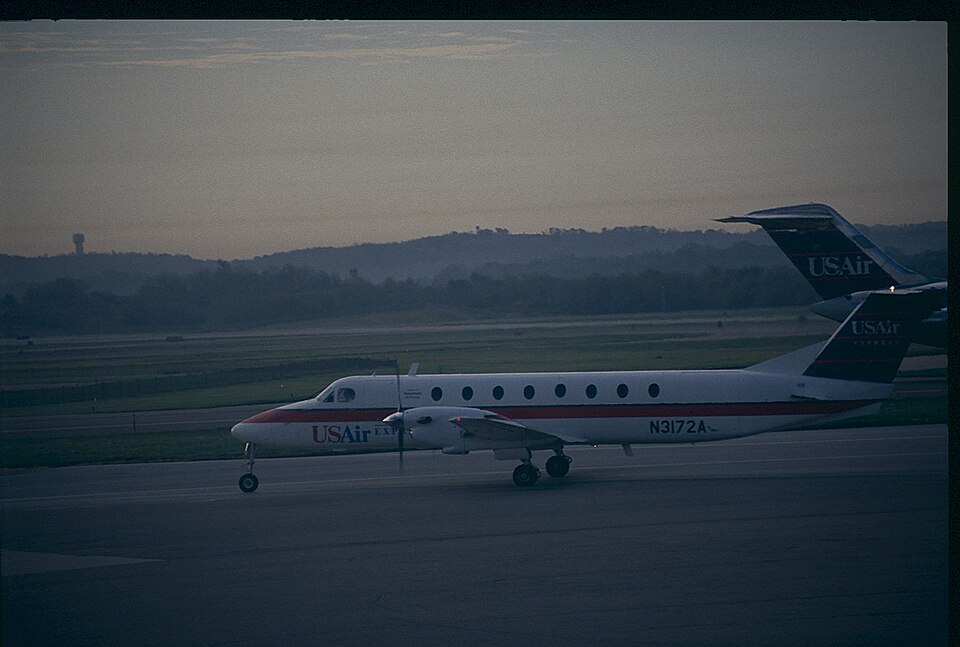
A Beech 1900C cargo aircraft experienced a hard landing and subsequent fire at Seattle-Tacoma International Airport following a stall/mush condition during final approach. The accident occurred when the aircraft, loaded with more than 4,962 pounds of cargo, encountered a rapid decay in airspeed and a high sink rate after the pilot selected full flaps for landing on runway 34L.
Cargo Loading Irregularities
The cargo was loaded over approximately 20 minutes without an available scale at the aircraft. Loaders relied on tallying waybill weights or estimates of total cargo weight and center of gravity (CG) during the brief loading period. At the time, a strike had shut down a major cargo competitor, resulting in substantial cargo overflow to the operator. Post-crash examination revealed that the actual cargo weight was 656 pounds greater than documented on the pilot's load manifest, and the CG was between 6.8 and 11.3 inches aft of the aft CG limit.
Flight and Landing Sequence
According to the pilot, the airplane behaved normally until he initiated full flaps for landing approaching the threshold of runway 34L. At that point, airspeed began to decay rapidly, and a high sink rate developed as the aircraft entered a stall/mush condition. The subsequent hard landing overloaded the nose and left-main landing gear, which collapsed. During the ground slide, a post-impact fuel system leak led to a post-crash fire.
Official Probable Cause
The probable cause was a stall/mush condition resulting from an aft center of gravity that was inaccurately provided to the pilot-in-command by contractual cargo-loading personnel. Additional causes were overloading of the aircraft's landing gear and fuel leakage resulting in a post-crash fire. Factors contributing to the accident included the pilot's improper lowering of flaps in an aft CG situation and inadequate company procedures for cargo loading.