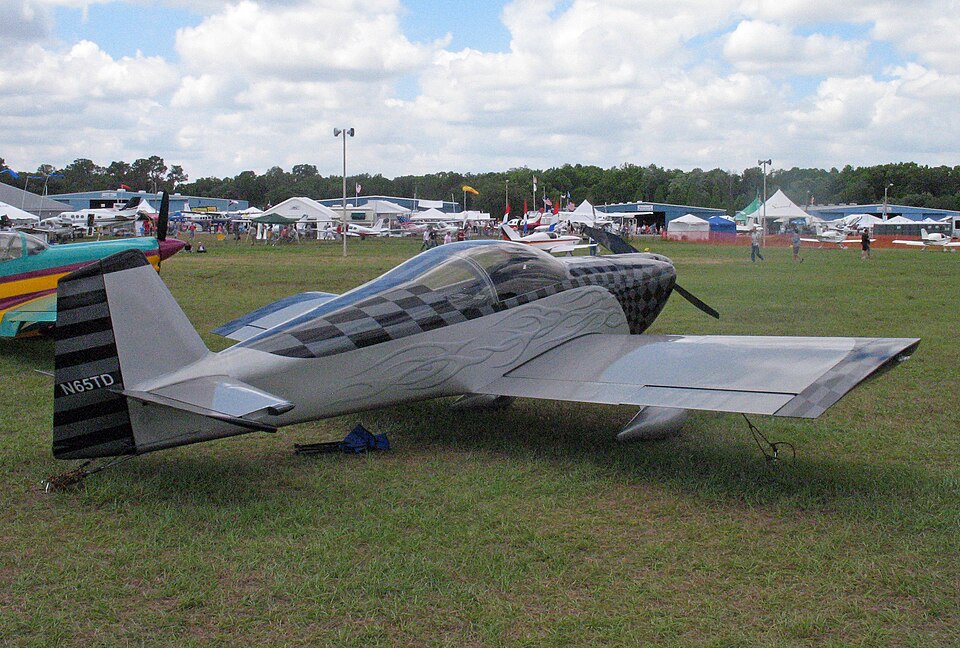
Accident Overview
During an arrival for a LOC runway 26 approach, the pilot of N65TD was advised that the abyss fan marker was NOTAMed out of service. With the abyss fan marker inoperative, the minimum descent altitude (MDA) was 2200 feet. After the aircraft was cleared for the approach, radar service was terminated and the flight was cleared to advisory frequency.
Sequence of Events
The crew contacted the unicom and obtained airport and weather advisory information. The unicom operator advised that winds were light and variable, estimated 800 feet overcast, visibility 5 miles, and slush and ice had been reported on the runway 1/2 hour earlier. After the crew reported "procedure turn inbound," no further transmissions were received from the aircraft. Subsequently, the aircraft hit trees on rising terrain at an elevation of approximately 2200 feet, about 7 miles before reaching the final approach fix (FAF), which was the DALTON NDB. The minimum altitude for the approach in that area was 3000 feet. The airport elevation was 1194 feet.
Investigation Findings
Radio transcripts indicated that the crew was receiving a weak signal from the DALTON NDB. Although not a required navaid, CHESTER VORTAC was depicted on the approach chart as an additional source to identify the FAF, but it was NOTAMed as out of service. The pilot did not obtain NOTAMs before the flight. No preimpact part problems were found during the investigation.
Probable Cause
The official probable cause attributes the accident to the pilot in command's inadequate preflight planning and improper IFR procedure, failure to maintain proper altitude, in conjunction with low ceiling, fog, rising terrain, and trees.