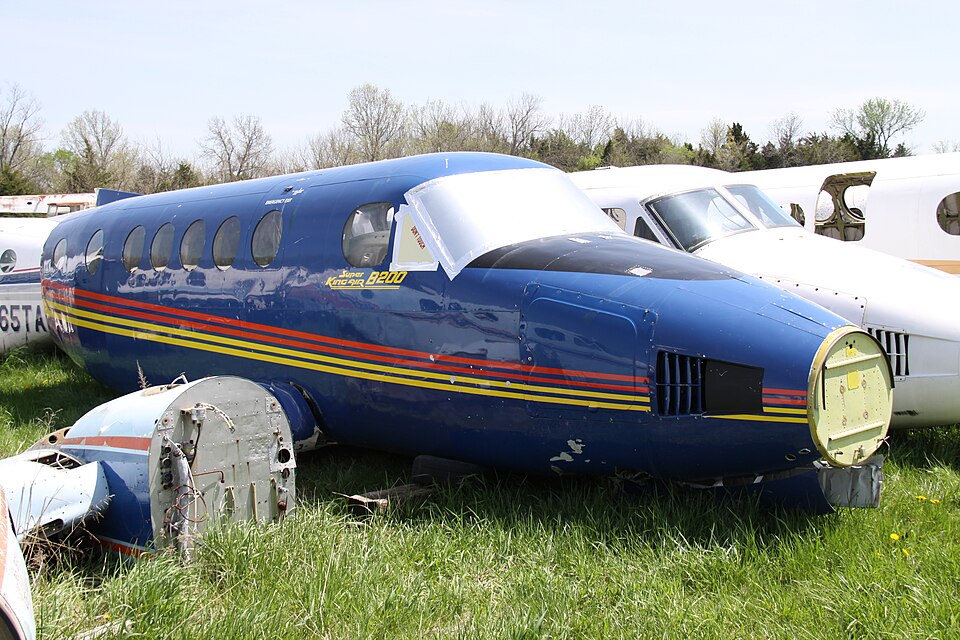
Flight Details
The pilot accepted a flight to transport a patient after being called by the chief pilot around midnight, following a 10-hour work shift and about 2 hours off duty. About 2 hours later, the pilot was on an instrument approach to the airport. During the approach, all anti-ice and deice systems were turned on. The pilot reported that the deice boots appeared to be shedding ice almost completely. He extended the flaps and lowered the landing gear to descend, then added power, but airspeed continued to decrease. The airplane descended; he raised flaps and gear and applied full climb power. The airplane shuddered during the climb, and airspeed continued to decrease. The stall warning horn activated, and the pilot lowered the nose to increase airspeed. The airplane descended until it impacted level, snow-covered terrain.
Aircraft Performance Data
The airplane was equipped with satellite tracking and engine and flight control monitoring. The minimum safe operating speed in continuous icing conditions was 140 knots indicated airspeed (IAS). The IAS dropped below 140 knots 4 minutes before impact. During the last minute, IAS varied from 124.5 knots to 64.6 knots, and vertical speed varied from 1,965 feet per minute to -2,464 feet per minute. The last data recorded showed an IAS of 68 knots, descending at 1,651 feet per minute, with the nose pitched up at 20 degrees.
Pilot Duty and Fatigue
The pilot did not indicate any mechanical issues. The chief pilot reported that pilots are on call for 14 consecutive 24-hour periods before receiving two weeks off. The accident pilot had worked the previous day but stated he was rested enough to accept the mission. The chief pilot indicated awareness that sleep cycles and circadian rhythms are disturbed by varied and prolonged activity. An NTSB study found that pilots with more than 12 hours of time since waking made significantly more procedural and tactical decision errors than those with less. A 2000 FAA study found accidents more prevalent among pilots on duty for more than 10 hours, and a U.S. Naval Safety Center study found higher pilot-at-fault accident rates among those on duty more than 10 of the last 24 hours. The investigation noted that given the long duty day and early morning departure, it is likely the pilot experienced significant fatigue that degraded his ability to monitor the airplane during the dark night instrument flight in icing conditions.
Operator Practices
The operator’s management stated they do not prioritize patient transportation based on medical condition but decide based on medical staff request, pilot and aircraft availability, and suitable weather. The patient later took a commercial flight to another hospital for non-critical treatment.
Safety Recommendations
The NTSB has issued numerous recommendations to improve emergency medical services (EMS) aviation operations. One recommendation (A-06-13) addressed the importance of thorough risk assessment before accepting a flight, asking the FAA to require EMS operators to develop and implement flight risk evaluation programs. Another recommendation (A-09-103) asked FICEMS to develop national guidelines for selecting appropriate emergency transportation modes for urgent care.