Incident Overview
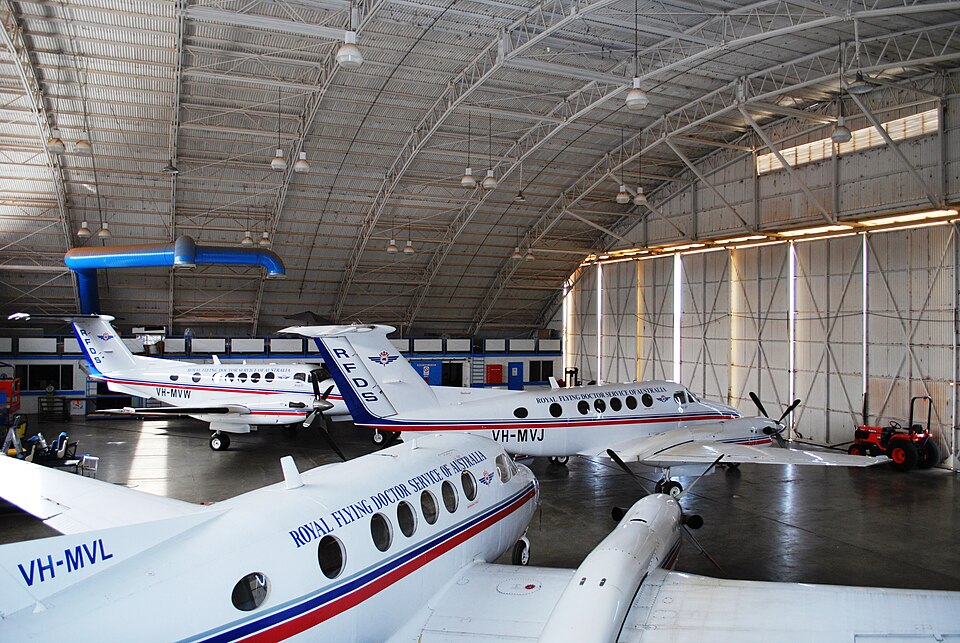
On 13 December 2016, a Beech Aircraft Corporation B200, registered VH-MVL, was conducting a medical services flight from Innamincka, South Australia, to Moomba, South Australia. The pilot and two passengers were on board. The aircraft arrived at Moomba at about 1250 Central Daylight-saving Time (CDT). The pilot configured the aircraft for the circuit with flaps set to the approach setting and propeller speed at 1900 RPM, joining the downwind leg for runway 30 at 150–160 kt airspeed. The landing gear was lowered on the downwind leg. Power was reduced to 600–700 foot-pounds torque on both engines to begin the final descent on late downwind abeam the runway 30 threshold, per standard operating procedures.
Sequence of Events
At about the turn point for the base leg, the pilot observed the left engine fire warning activate. The pilot held the aircraft in the right base turn but paused before executing the engine fire checklist immediate actions, considering the proximity to landing and absence of secondary fire indications. After a momentary pause, the pilot retarded the left engine condition lever to fuel shut-off, paused again to check for other evidence of fire, then closed the firewall shutoff valve, activated the fire extinguisher, and increased right engine power to about 1,400 foot-pounds torque. The pilot continued the turn for the base leg towards the final approach path but found it increasingly difficult to maintain the right turn. Engine instruments confirmed the left engine was shut down. The pilot adjusted aileron and rudder trim to assist control. As the right turn and descent continued, the aircraft became more difficult to control; the pilot focused on maintaining bank angle, airspeed (fluctuating 100–115 kt), and rate of descent. Due to the left-seat position, the pilot initially could not sight the runway when starting the right turn. The aircraft passed the extended runway centreline, and the pilot sighted the runway to the right. The aircraft was low on approach, and a sand dune between the aircraft and the runway was recognized as a potential obstacle. The pilot increased right engine power to climb power (2,230 foot-pounds torque), raised the landing gear, and retracted flap to reduce descent rate. The aircraft cleared the sand dune, then the pilot lowered the landing gear and continued the approach from left of the runway centreline. The aircraft landed in sand left of the runway threshold, spun left during the ground roll, and came to rest. There were no injuries, and the aircraft was substantially damaged.
Probable Cause
The official findings identified contributing factors: The operator did not modify the aircraft to include a more reliable engine fire detection system in accordance with the manufacturer’s service bulletin and as subsequently recommended by the Civil Aviation Safety Authority’s airworthiness bulletin, which would have reduced the risk of a false engine fire warning. During the approach, the pilot shut down the left engine in response to the fire warning but omitted to feather the propeller; the additional drag from the windmilling propeller, combined with the landing configuration in a right turn, required more thrust than available. Other factors that increased risk included advice from the Civil Aviation Safety Authority to the operator that differences training was acceptable, resulting in the pilot not receiving the operator’s published B200 syllabus of training; omission of basic handling training on a new aircraft type could prevent a pilot from developing required skilled behavior for loss-of-control situations. The pilot met the operator’s cyclic training and proficiency standards, with no knowledge deficiencies identified regarding engine fire warnings.