Flight Planning and Departure
The pilot of a Part 91 business flight filed an instrument-flight-rules (IFR) flight plan listing both the destination and an alternate airport, even though both were reporting weather below approach minimums. The flight departed from an airport where weather minimums were also below the approach minimums for that airport.
En Route and Approach
While en route, the destination airport's automated weather observing system continued to report conditions below approach minimums. Despite this, the flight crew continued toward the destination. They requested and were cleared for the instrument landing system (ILS) approach to runway 31. After switching to the tower frequency, the crew was advised that visibility was 1,800 feet runway visual range.
Landing and Runway Excursion
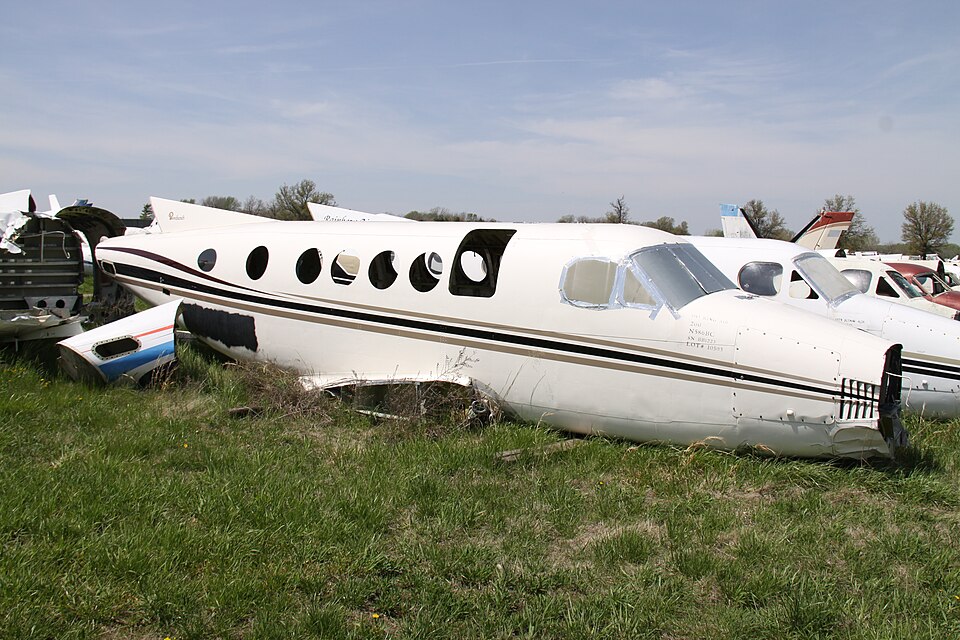
During the landing, the copilot advised the pilot that the airplane was not aligned with the runway. The pilot responded, "those are edge lights," and then acknowledged that he was not properly lined up. The airplane touched down approximately 2,800 feet down the runway and to the left of the runway surface. It then veered left, causing the nose landing gear to collapse.
Crew Background and Company Procedures
Both flight crewmembers had previous experience in Part 135 operations, which impose more stringent weather requirements than Part 91. Under Part 135, IFR flights to an airport cannot be conducted and an approach cannot begin unless weather minimums are above approach minimums. The accident flight's departure in weather below approach minimums would have precluded a return to the departure airport had an emergency occurred, leaving few options and little time to reach a takeoff alternate.
The company's flight procedures allowed takeoff as long as a takeoff alternate airport was within one hour at normal cruise speed and a minimum takeoff visibility was maintained based on the pilot's ability to maintain runway alignment during takeoff. The procedures did not allow departure to an airport below minimums but permitted the flight crew, at their discretion, to conduct a "look-see" approach down to approach minimums if the weather was below minimums. This allowance effectively negated the procedural risk mitigation of requiring approaches only when weather was above approach minimums.