Incident Details
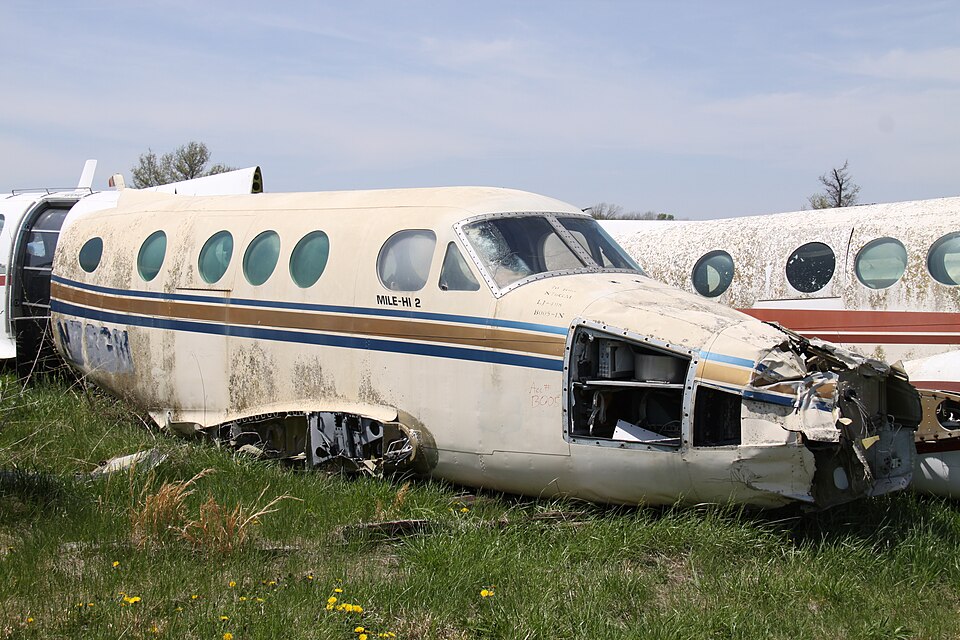
The pilot stopped at Vandalia, Illinois, for refueling. She did not observe the refueling process, but believed the fixed-base operator (FBO) knew the proper procedure, as the FBO also operated a King Air. The airplane was reportedly serviced with 235 gallons of Jet-A fuel, though total capacity is 384 gallons. The pilot flew at altitudes between 7,500 and 10,500 feet. Approximately 45 minutes from the destination, the fuel transfer pump lights illuminated, indicating the wing tanks were empty. The nacelle tank gauges showed 3/4 full, and the pilot determined there was sufficient fuel to complete the flight. When the airplane was three minutes from the destination, both engines flamed out, and the pilot performed a wheels-up forced landing.
Investigation and Probable Cause
After recovery, the salvage company reported finding no evidence of fuel aboard the airplane. The pilot had used performance charts for the Beech 65-A90 instead of the Beech B90. The official probable cause is: Failure of the pilot to refuel the airplane, resulting in fuel exhaustion. Factors were the pilot's reference to similar but different aircraft performance charts, and the operator's failure to provide the pilot with the proper performance charts.