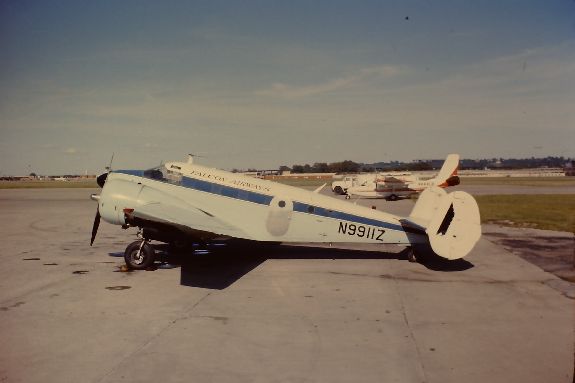
Accident Details
A cargo flight departing from Tulsa Airport on a night route from Lawton to Kansas City experienced a left engine failure shortly after liftoff. The aircraft was on a cargo operation when the incident occurred. Both occupants on board died in the crash.
Engine Failure and Crash
Following the left engine failure, the crew attempted to feather the propeller but was unable to do so because of congealed oil. The aircraft subsequently stalled, struck power cables, and crashed in a large explosion. The aircraft was totally destroyed.
Probable Cause
According to the official investigation, the probable cause was the failure of the left engine during initial climb after the pilot-in-command attempted operation with known deficiencies in equipment. Contributing factors reported included improper maintenance, deficiencies with company maintained equipment, services and regulation, engine structure failure of the master and connecting rods, propeller and accessories, high obstructions, left engine failed and propeller unfeathered due to congealed oil, inability to maintain altitude, and poor maintenance known by pilots and operations.