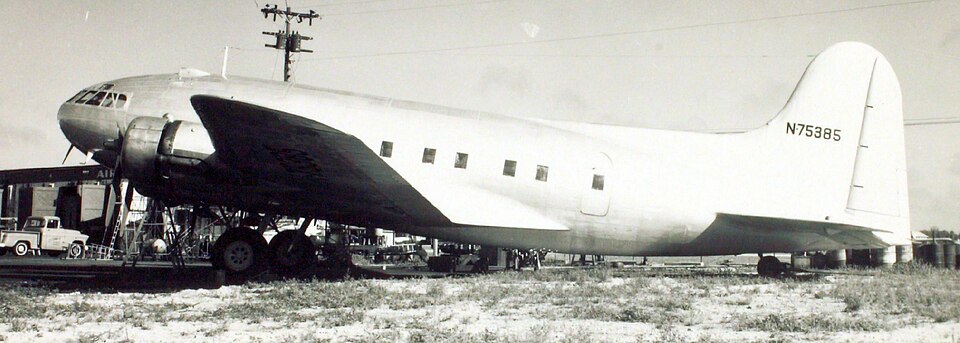
Accident Overview
Aircraft that had been parked for several months at a regional airport was recently purchased by a new owner who wanted to determine the exact oil and fuel consumption. To facilitate a longer flight, additional fuel tanks were installed in the cabin. The test flight was conducted with two test pilots aboard.
While cruising at a relatively low altitude, the crew informed air traffic control that a fire had erupted in the cabin and declared an emergency. The airplane executed an emergency landing, crash-landing in flames in a field located 15 miles from Madras. The aircraft came to rest and was destroyed by fire. Both pilots were able to evacuate and reported no injuries.
Probable Cause
Official investigation findings attributed the fire to the additional fuel tanks installed in the cabin. The tanks were not sealed and were leaking. The technicians who installed the fuel tanks were aware of the leaks but could not locate their source. Despite recognizing the major risk of fire, they proceeded with the installation. In flight, fuel leaked from a tank and ignited upon contact with an incandescent element, the nature of which remains unknown. Under these conditions, the crew could not continue the test flight and an emergency landing was necessary.
Aftermath
The aircraft was completely destroyed by the post-crash fire. The pilots evacuated without injury. No further details were provided regarding the aircraft type, registration, or other specifics.