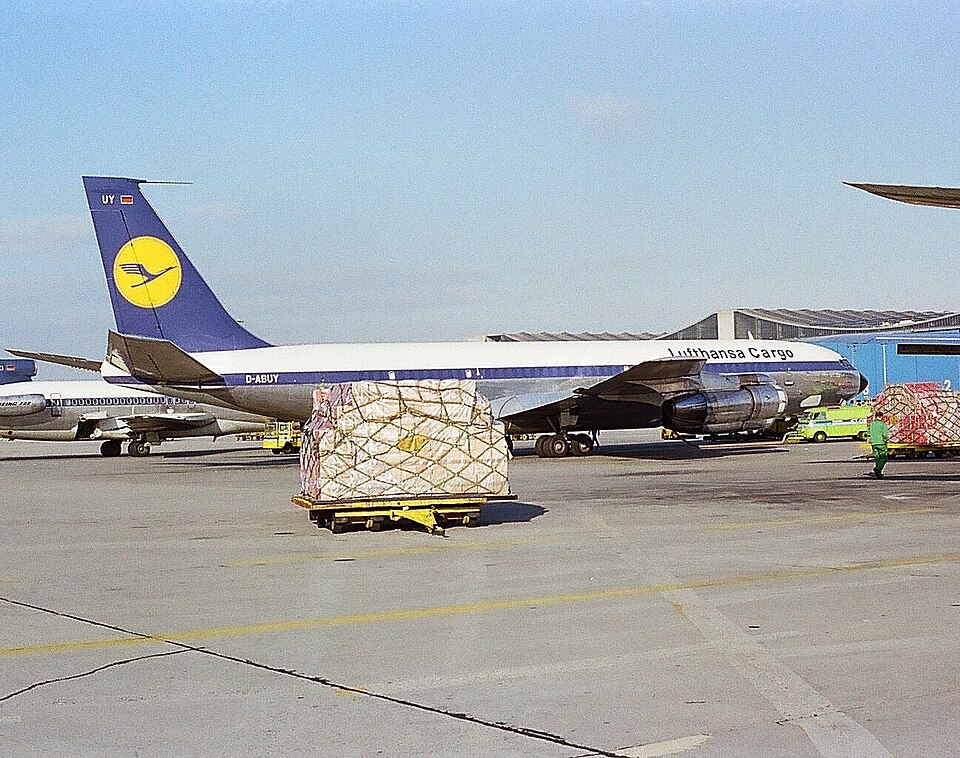
Flight Details
Flight 527 was cleared by ground control for a No. 16 departure and instructed to make a right turn after takeoff, with a heading toward the Caxias VOR, climbing to and maintaining 2000 feet. The aircraft departed from runway 27 at 21:27.
Sequence of Events
After takeoff, approach control requested that the crew increase speed. The aircraft's speed progressively increased to 304 knots, exceeding the 250-knot maximum speed inside the terminal control area below 10,000 feet. While Flight 527 was flying toward mountainous terrain and increasing its speed in the north sector of the radar scope, the controller was occupied vectoring an excessive amount of traffic in the south sector. The assistant departure controller failed to monitor the traffic.
When the controller turned his attention back to Flight 527, he was surprised by the aircraft's position and instructed, "LH, turn right heading 140, just now, over." The controller repeated these instructions and also instructed the crew to increase their rate of climb. At that time, the ground proximity warning system (GPWS) sounded in the cockpit. The aircraft struck trees on the slope of a mountain in a nose-up, left wing down attitude and continued for 800 meters while breaking up.
Probable Cause
The official findings stated a breakdown in teamwork among the personnel on duty in Rio approach control at that time. The departure controller, through incomplete instructions, caused Flight 527 to fly for a period of time on a heading and at an altitude that led the aircraft to collision. The assistant controller, the coordinator, and the supervisor on duty did not support the departure controller as they should have. A contributing factor was that the crew accepted the incomplete ATC instructions—no clearance limit or alternate procedure—and flew for 1 minute 41 seconds without bilateral communications and in potential danger inherent in these incomplete instructions.